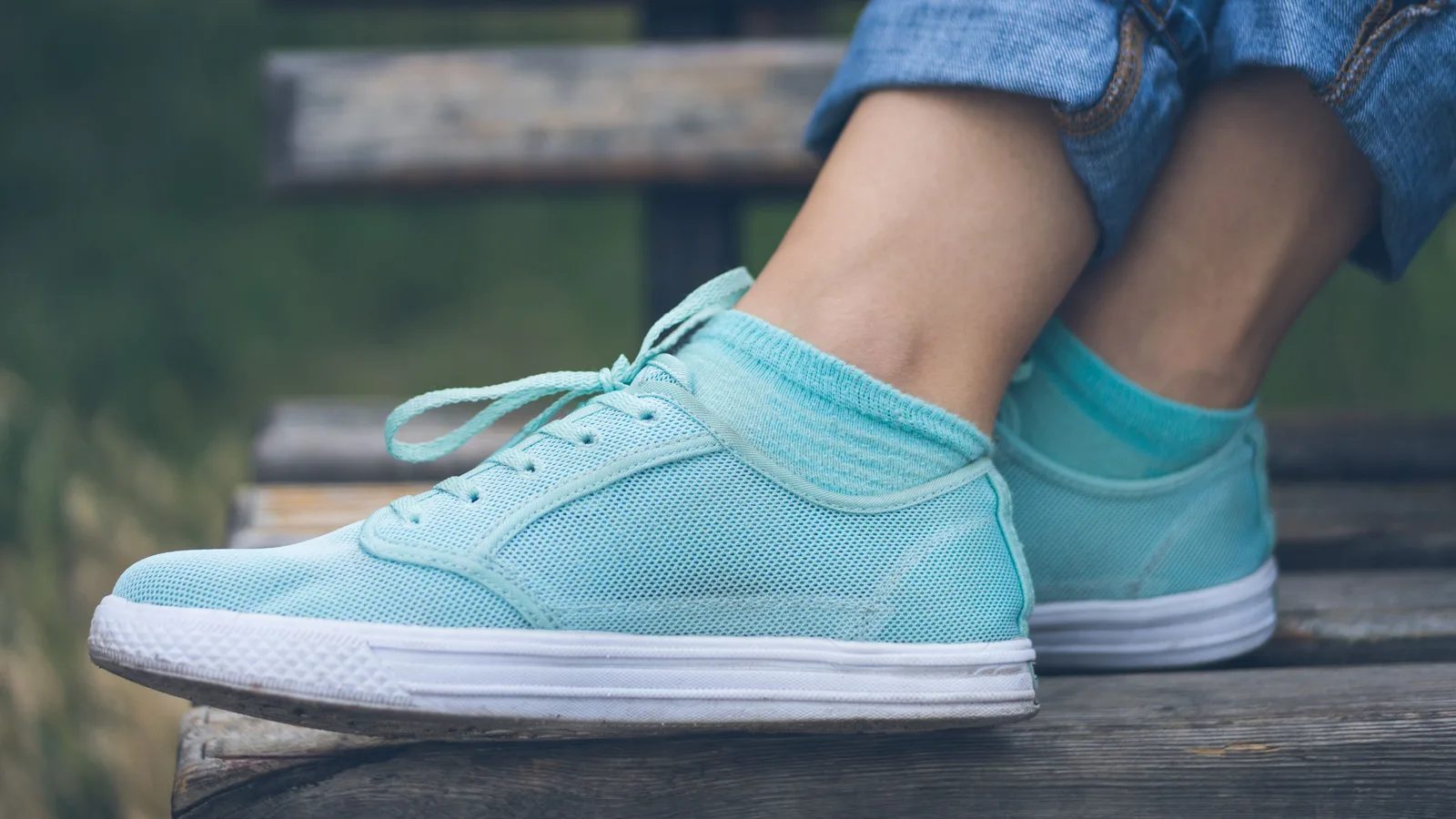
Allbirds Tree Runners Review: Light, Breathable Everyday Sneakers
A clear-eyed look at the Allbirds Tree Runner: breathability, fit, durability and whether this washable eucalyptus-fiber sneaker suits your travel days.
Allbirds Tree Runners Review: The Bottom Line
The Allbirds Tree Runner is one of the brand's original silhouettes and still its lightest everyday option: a low-profile lace-up with a knit upper spun from eucalyptus tree fiber, sitting on a sugarcane-based foam sole. It is built around a single idea — a shoe that breathes, weighs almost nothing and can be thrown in the wash — and it delivers on that idea more completely than most lifestyle sneakers do.
That focus is also the catch. Everything the Tree Runner does well comes from stripping material out, and everything it does poorly comes from the same decision. If you want a shoe for a two-week trip through hot cities where your feet will swell, sweat and get rained on once or twice, it is close to ideal. If you want one pair of shoes to cover a hiking day, a long museum march and a nice dinner, it is the wrong tool.
What the Tree Runner Actually Is
The Tree Runner sits in Allbirds' Tree line, which uses a knit upper made from eucalyptus tree fiber rather than the merino wool of the brand's Wool Runner. The knit is thin, soft and slightly sheer — closer to a thick sock than to a structured shoe. Underfoot there is a foam midsole made from sugarcane-based EVA (the brand calls it SweetFoam), a removable cushioned insole on top, and a thin foam outsole underneath.
There is no rubber outsole, no plastic heel counter, no shank and no reinforcement at the toe. That is the design brief, not an oversight: fewer materials mean less weight, more airflow and a shoe that folds flat in a bag. It is a lifestyle sneaker intended for walking, commuting and casual wear, and the name is the only thing about it that suggests running.
- Upper
- Knit made from eucalyptus tree fiber, thin and highly breathable
- Midsole
- SweetFoam, a sugarcane-based EVA
- Outsole
- Foam, with no separate rubber tread layer
- Insole
- Removable cushioned footbed
- Closure
- Lace-up, with laces made from recycled polyester
- Intended wear
- Barefoot or with thin no-show socks
- Care
- Machine washable on a cold, gentle cycle; air dry only
- Sizing
- Men's and women's whole and half sizes
- Best use
- City walking, commuting, warm-weather travel, casual everyday wear
Strengths and Weaknesses
What the Tree Runner does well
- The knit upper moves air extremely well, so feet stay comfortable in heat and humidity
- Light enough to pack flat in a carry-on and forget about in a day bag
- Machine washable, which is a real advantage on a long trip
- Designed for sockless wear, cutting down on what you have to pack
- Low-profile shape that works with shorts, jeans and casual travel clothes
Where it falls short
- Minimal structure: soft heel, no shank and very little lateral support
- The foam outsole wears through faster than a rubber one, especially at the heel
- The knit can pill and snag, and the toe area is usually first to go
- No water resistance at all — rain soaks straight through
- Grip is limited on slick pavement, wet stone and any kind of trail
Most of the criticism the Tree Runner attracts is really a complaint about category. People buy a sock with a sole and are surprised when it behaves like one. Judged as a breathable travel sneaker, the weaknesses are predictable trade-offs. Judged as a daily trainer or a walking shoe for someone who pounds pavement ten miles a day, they are disqualifying.
One thing worth flagging separately: the shape of the shoe softens with wear. The knit loosens across the forefoot and the foam packs down under the heel. That is normal, but it means the fit you get in the first week is not the fit you will have in month six.
How the Tree Runner Scores on What Matters
- Breathability
- 5.0/5
The standout strength. Thin eucalyptus-fiber knit and a sockless design keep feet dry in hot weather.
- All-day comfort
- 4.0/5
Soft, flexible and light, but the cushioning is firm and thin compared with a dedicated walking shoe.
- Support and stability
- 2.5/5
Little structure in the upper, a soft heel and no shank. Not a shoe for people who need their foot held in place.
- Durability
- 3.0/5
The foam outsole and knit toe wear faster than rubber and leather. Fine for casual use, not for heavy daily mileage.
- Packability
- 4.5/5
Lightweight and squashable enough to slide into a carry-on as a second pair.
- Versatility
- 4.0/5
Works with casual clothes and travel kit, but reads too sporty for anything smart.
The pattern in those scores is the whole review in miniature. The Tree Runner scores highest on the things you notice while traveling — airflow, weight, washability — and lowest on the things you notice when you are on your feet for eight hours on concrete. If your trips are city breaks, café mornings and airport days, you are playing to its strengths. If they are hiking, standing all day or walking in the rain, you are not.
Fit and Comfort: What to Expect
The Tree Runner fits like a lightweight sneaker rather than a slipper. The knit has some give across the forefoot, so a slightly wider foot usually settles in comfortably, but the sole itself does not get wider — a genuinely wide foot will feel the edge of the footbed. Most people take their usual sneaker size. Sizing up to gain width rarely works, because the shoe then slides at the heel, and a soft heel is the last place you want slip.
Out of the box there is almost no break-in period, which is rare and genuinely useful if you are packing a new pair for a trip. The insole is removable, so you can swap in your own orthotic if you use one — though be aware that the shoe provides very little structure of its own beyond whatever insert you put in it.
Breathability, Odor and Sockless Wear
This is where the Tree Runner earns its reputation. The knit is thin enough that air passes through it noticeably, and it wicks and dries quickly, which is why the brand designs the shoe to be worn without socks. On a hot, humid day the difference between these and a leather or synthetic sneaker is obvious within an hour.
Sockless wear is realistic, but it is not effortless for everyone. If you blister easily, carry a couple of pairs of thin no-show socks for long walking days and save barefoot wear for shorter outings. Rotating between two pairs on a longer trip does more for odor and longevity than any spray or powder, because the shoe gets a full day to dry out between wears.
Durability and Care
The Tree Runner is not a buy-it-for-a-decade shoe, and it does not pretend to be. The foam outsole is the limiting factor: it is quiet and light underfoot but abrades faster than rubber, and the outer heel corner is usually where it goes first if you heel-strike. The knit upper is the second weak point. It resists creasing, which is why the shoe looks neat for a long time, but it can snag on rough surfaces and will pill where it rubs.
The compensation is that you can wash them. That keeps a travel pair presentable far longer than the materials alone would suggest.
-
1. Strip the shoe down
Pull out the laces and the removable insole and set them aside. Brush off loose dirt, sand or mud from the upper and the outsole before the shoe goes anywhere near water.
-
2. Wash cold and gentle
Put the shoes in a mesh bag or a pillowcase with a couple of towels to cushion the drum, and run a cold, gentle cycle with a small amount of mild detergent. Hot water and heavy cycles are what deform the foam.
-
3. Air dry away from heat
Stuff the shoes with newspaper or paper towels and leave them to air dry at room temperature, away from radiators, direct sun or a tumble dryer. Heat will shrink the knit and warp the sole.
-
4. Refresh the insoles and laces
Hand wash the insoles and laces separately in cool water, then air dry them flat. Reassemble everything only once the shoes are completely dry inside.
Traction, Support and Where They Fall Short
The outsole is a flat sheet of foam with a shallow tread pattern. On dry pavement, airport floors and packed paths it is perfectly adequate. On wet stone, polished tile, boat decks or anything muddy it is not, and it does not take much to notice the difference. There is also no rock plate and no real tread depth, so gravel and trails push straight through to the foot.
Support is the other honest limitation. The heel is soft, the upper is unstructured and there is no shank, which means the shoe does not resist twisting or hold the foot steady on uneven ground. For a traveler with healthy feet doing normal city walking, that is a fair trade for the weight and breathability. For anyone with plantar fasciitis, ankle instability or a job that involves standing all day, it is a poor match.
Style and Travel Practicalities
The Tree Runner is a deliberately plain shoe: one knit upper, one foam sole, a small heel tab, no visible branding on the side. That plainness is why it works with everything from shorts to chinos, and why it does not look out of place in a hostel, a co-working space or a casual restaurant. It reads as sporty-casual, though, and it will not pass for a dress shoe.
For travel specifically, the practical case is strong. They weigh very little, they flatten enough to slide into the bottom of a carry-on, they go barefoot so you can leave socks at home, and they can be washed at the end of a dusty week. They are also easy to get on and off at airport security. The main travel caveat is weather: a single rainy day will leave them damp and slow to dry, and there is no membrane to help.
Who Should Buy Them — and Who Shouldn't
Buy them if you want a light, breathable sneaker for warm-weather city travel, commuting or everyday casual wear; if you like the idea of a washable shoe you can wear without socks; or if you already own a more supportive pair and want a hot-weather alternative.
Skip them if you need cushioning and structure for long days on hard ground, if you walk on wet or uneven surfaces regularly, if you want a shoe that stays crisp through heavy daily use, or if you are shopping for a running shoe. The name is misleading on that last point — this is a lifestyle sneaker with a flat foam sole.
The sensible way to think about it: the Tree Runner is an excellent second pair and a questionable only pair. As part of a two-shoe travel kit alongside something with more support and grip, it covers the hot, casual, walkable days better than almost anything at its level.
Buying Advice Before You Order
- Start with your normal sneaker size. The knit stretches slightly with wear, so sizing up to compensate for a narrow fit tends to create heel slip instead.
- Check the return window before you buy. Fit is the one thing you cannot judge from a product photo, and a soft heel either works for you or does not.
- Think about color practically. Pale knit shows road dust and rain marks; a mid-tone or darker upper hides travel grime much better and still looks clean after a wash.
- If you use orthotics, confirm they fit. The insole is removable, but the shoe has little structure of its own, so your insert needs to sit flat without lifting at the heel.
- Do not buy them as your only pair for a trip with mixed weather. A second, more robust shoe is cheaper than replacing a soaked pair mid-trip.
Frequently Asked Questions
Do Allbirds Tree Runners run true to size?
Most people take their usual sneaker size. The knit upper loosens slightly across the forefoot as you wear them, so a pair that feels snug on day one usually settles in within a week.
Will they smell if I wear them without socks?
The eucalyptus-fiber knit wicks moisture and dries quickly, and the shoe can be machine washed, which makes barefoot wear realistic for most people. Letting them air out between wears and rotating pairs helps more than anything else.
Are Tree Runners waterproof?
No. The knit upper is breathable by design, so rain passes through within minutes. They handle a brief drizzle, but they are not a wet-weather or rainy-season shoe.
Can I run or work out in them?
No. Despite the name, this is a lifestyle sneaker with a flat foam sole and minimal structure. It is fine for walking and casual wear, not for running, lifting or court sports.
Are they suitable for wide feet?
The knit stretches across the forefoot and suits many wider-footed wearers, but the sole and footbed do not get wider. If you normally buy wide-specific shoes, try them on before committing.
How long should I expect them to last?
The foam heel and the knit toe box show wear first, and rough pavement speeds that up. Casual wearers get a good run out of them; heavy daily walking on hard surfaces will wear through the outsole faster than a rubber-soled shoe would.
Related articles
 Away Carry-On Review: Polished, Practical, a Bit PriceyGear Notes
 Briggs & Riley Baseline Review: Calm, Capable Softside LuggageGear Notes
 Cotopaxi Allpa 35L Review: Clever Carry-On, Real Trade-OffsGear Notes
 Monos Carry-On Review: A Cabin Bag Worth the Hype?Gear Notes
 Nomatic Travel Pack Review: Clever One-Bag Design, Real LimitsGear Notes
 Osprey Farpoint 40 Review: A Carry-On Travel Pack That WorksGear Notes
 Peak Design Packing Cubes Review: Clever, Costly, CapableGear Notes
 Peak Design Travel Backpack review: a one-bag workhorseGear Notes