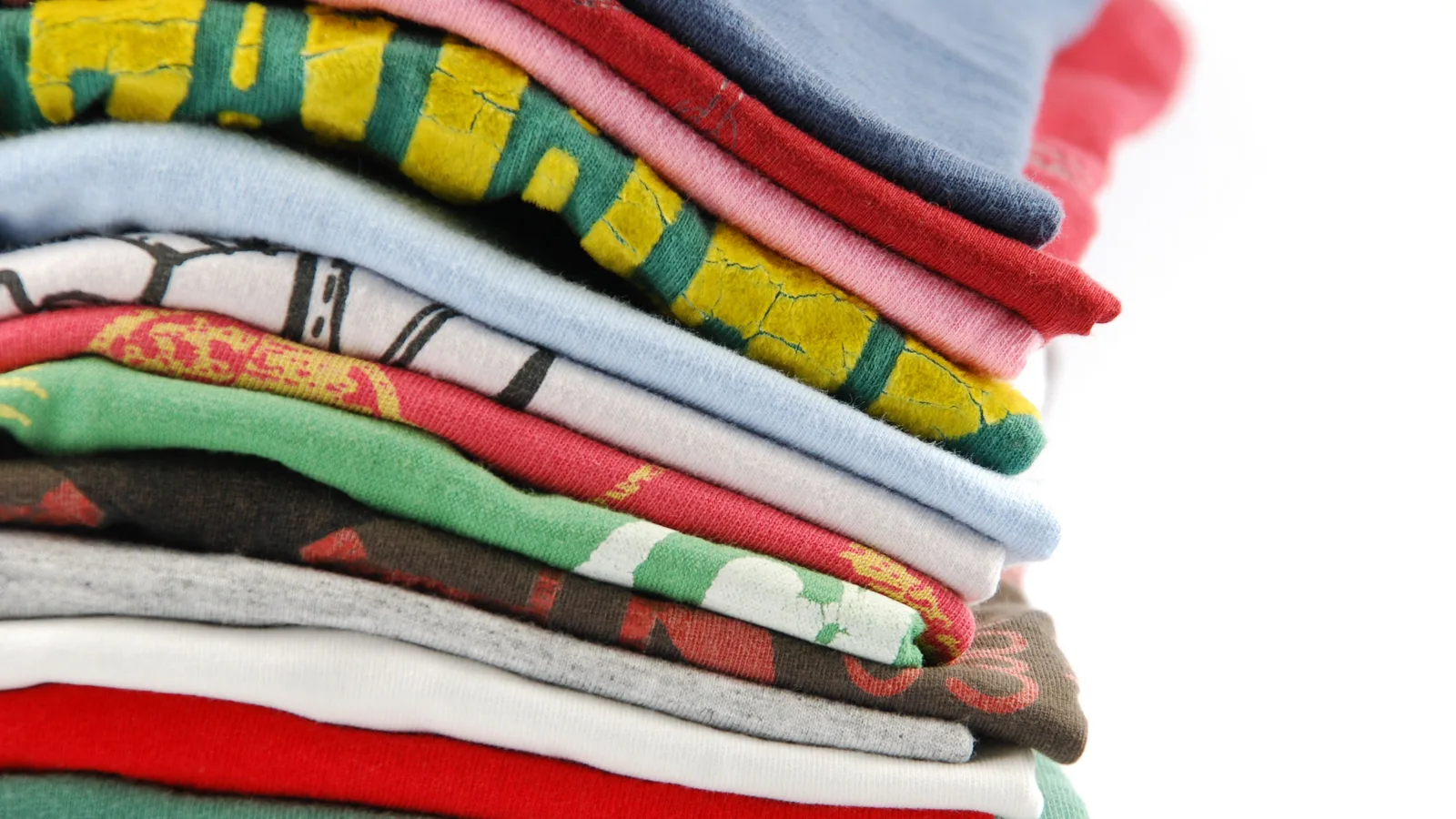
Peak Design Packing Cubes Review: Clever, Costly, Capable
Our take on Peak Design's expandable packing cubes: how the compression zip, mesh lid and rugged build work in travel, and who should pay the premium.
What you're actually buying
Peak Design's packing cubes are soft-sided organizers built around a single idea: one perimeter zip that changes how deep the cube is. Zipped shut, the cube sits at its slimmest. Unzipped, a gusset releases and the cube grows deeper, so you can pack bulkier items and then zip it back down to pull the load in.
Around that core sit the details Peak Design is known for: abrasion-resistant zippers with oversized pulls, a mesh top panel so you can see what's inside without opening it, a fabric grab handle, and a recycled ripstop nylon shell with a water-repellent finish. They're sold as individual cubes in a few sizes and as multi-cube sets, and they're shaped to work with the Peak Design Travel Backpack — though there's nothing stopping you using them in a suitcase or a duffel.
This is a premium-priced system rather than a budget set. It's aimed at travelers who pack in modules — one cube for tops, one for bottoms, one for laundry — and who want those modules to survive years of being shoved under seats and into overhead bins.
Strengths and weaknesses
What they get right
- One zip does both jobs: expand it to pack a bulky fleece, close it to slim the cube back down.
- Abrasion-resistant zippers with big pull tabs — the part that fails first on cheap cubes gets the most engineering here.
- The mesh top panel lets you spot a cube's contents at a glance without unpacking the bag.
- Recycled ripstop shell with a water-repellent finish copes with damp bathrooms and light rain better than uncoated fabric.
- A grab handle on each cube means you can pull one out of a packed bag without emptying everything.
Where they fall short
- They cost noticeably more than mainstream packing cubes.
- The cubes hold their shape well, which is great in a roomy bag and slightly awkward in one packed to the brim.
- Compression is modest — this is a depth adjustment, not a vacuum seal.
- Leave the gusset open and you simply have a bulky cube; the benefit only arrives when you re-zip.
- Fewer size and color options than the biggest packing-cube ranges.
The trade-off is easy to state: you're paying for hardware and a mechanism, not for fabric. Someone who packs a carry-on twice a year will get 80% of the benefit from a basic set at a fraction of the price. Someone who flies monthly and treats packing as a system will feel the difference every trip — mostly in the zips, which is exactly where cheap cubes let go.
How they score on what matters
Packing cubes live or die on four things: whether they hold the right amount, whether they survive, whether you can find anything, and whether they waste space in the bag. Value is the fifth, and it's where these take their biggest hit.
- Capacity flexibility
- 5.0/5
The expansion zip means one cube covers a light weekend and a bulky mid-trip laundry day.
- Build quality and zippers
- 4.5/5
Reinforced, oversized zips and a ripstop shell — the wear points get the attention.
- Organization and visibility
- 4.0/5
Mesh lids and a grab handle make them easy to live out of; one opaque side keeps some things private.
- Space efficiency in a packed bag
- 4.0/5
Real compression, but modest — a vacuum bag still wins on pure volume.
- Value for money
- 3.0/5
You pay a premium for the mechanism and the hardware; basic cubes do the core job for less.
- Weight
- 3.5/5
Not ultralight. The zip hardware and coated shell add grams compared with bare-bones cubes.
What the expansion zip changes in practice
The mechanism is easy to misread before you've handled it. With the perimeter zip closed, the cube sits shallow. Open it and a side gusset releases, giving the cube noticeably more depth for bulky items. The useful technique is to pack the cube while it's expanded, press the contents flat, and then close the perimeter zip — that's where the space saving comes from.
It pays off in specific moments: a laundry day mid-trip, a fleece you only need on the plane, souvenirs on the return leg, a climate change between two cities. It doesn't replace a vacuum bag for a down jacket, and it won't get three days of clothes into a personal item. Think of it as a depth adjustment with a compression bonus, not a shrink ray.
Fabric, zippers and weather resistance
- Shell
- Recycled ripstop nylon with a water-repellent finish
- Zippers
- Peak Design UltraZip — abrasion-resistant with oversized pulls
- Lid
- Mesh panel for visibility into the cube
- Depth control
- Perimeter expansion zip that doubles as compression
- Carry
- Integrated grab handle on each cube
- Sold as
- Individual cubes in several sizes, plus multi-cube sets
- Best fit
- Peak Design travel backpacks, standard suitcases and duffels
The shell is the quiet strength here. Coated ripstop shrugs off the scuffing that comes with being dragged in and out of a backpack, and it doesn't soak up spills the way uncoated cotton or thin polyester does. It is not waterproof, though: the mesh lid and the seams will let water through if the bag itself gets soaked, so a rain cover for the bag still matters.
The zippers are the more interesting choice. Packing cubes usually fail at the zip, not the fabric, and Peak Design has put the money where the failure happens — big pulls you can grab with cold hands, and a tape that resists the abrasion of a tightly packed bag.
Where they fit in a one-bag setup
The cubes are designed alongside Peak Design's own travel bags, so they tile into that main compartment rather than fighting it. If you own one of those bags, the fit is the reason to buy these over cheaper cubes: fewer gaps, a flatter base layer, and a main compartment that opens without clothes shifting.
In other luggage they behave like good rectangular cubes. They slide into a carry-on suitcase, stack in a duffel, and pull double duty as a drawer inside a daypack on arrival. Because they're soft-sided, they flex into odd-shaped gaps, but they don't have the hard frames some competitors use to keep a cube rigid when it's only half full — pack them reasonably full and they hold their shape fine.
Packing with them: a routine that works
-
1. Open the perimeter zip first
Pack each cube in its expanded state. Trying to fill a compressed cube wastes the mechanism and makes the load harder to close.
-
2. Pack flat or rolled, not bundled
Keep the footprint rectangular so cubes tile against each other. Rolled items fill gaps; flat-folded items stack into layers.
-
3. Close the zip to pull the load down
Press the contents flat with one hand and run the perimeter zip closed. This is the step that actually saves space.
-
4. Build the bag in layers
Heavier cubes go closest to your back or the wheels; lighter ones go up top. Keep the cube you'll want first — sleepwear, a jacket — nearest the opening.
Buying advice before you order
Buy one cube before you commit to a set. Sizing is the part people get wrong most often: a cube that's too large gets packed too heavy and stops compressing, while a cube that's too small turns into a game of Tetris in the bag. Start with the size you'd use for a typical three-day load, live with it for a trip, then build around it.
Sets are the better value per cube if you already know you like the system. If you're comparing against cheaper organizers, be honest about which features you'll actually use: the expansion zip and the zipper hardware are what you're paying for, and if you pack the same amount every trip, a plain cube does the job.
One more consideration: these are a system product. They're at their best inside a Peak Design bag, good in any suitcase, and overkill for a weekend tote.
Peak Design packing cubes: quick answers
Do Peak Design packing cubes fit in a standard carry-on?
Yes. They're soft-sided rectangles that slot into a normal carry-on footprint. The largest cube works best as the base layer of a 35–45 liter bag; pack two smaller cubes on top rather than one huge one.
Are they waterproof?
No. The shell is water-repellent and sheds splashes and damp bathroom air, but the mesh lid and seams will let water through if the bag around them gets soaked.
How many cubes do I need for a week away?
For most people, two medium cubes plus a small one covers a week of clothing in a carry-on, with the small cube taking underwear, socks and charging cables. Cold-weather trips push that to three larger cubes.
Will they work in bags from other brands?
Yes. The shape is sized around Peak Design's travel bags but isn't proprietary, so the cubes fit most suitcases, duffels and backpacks. You just won't get the same tight, gap-free tiling.
Are they worth it compared with cheaper packing cubes?
If you fly often and want the expansion zip, the oversized zipper pulls and a set that lasts, yes. If you pack the same modest load every trip, a basic set covers the job for a lot less money.
Related articles
 Allbirds Tree Runners Review: Light, Breathable Everyday SneakersGear Notes
 Away Carry-On Review: Polished, Practical, a Bit PriceyGear Notes
 Briggs & Riley Baseline Review: Calm, Capable Softside LuggageGear Notes
 Cotopaxi Allpa 35L Review: Clever Carry-On, Real Trade-OffsGear Notes
 Monos Carry-On Review: A Cabin Bag Worth the Hype?Gear Notes
 Nomatic Travel Pack Review: Clever One-Bag Design, Real LimitsGear Notes
 Osprey Farpoint 40 Review: A Carry-On Travel Pack That WorksGear Notes
 Peak Design Travel Backpack review: a one-bag workhorseGear Notes