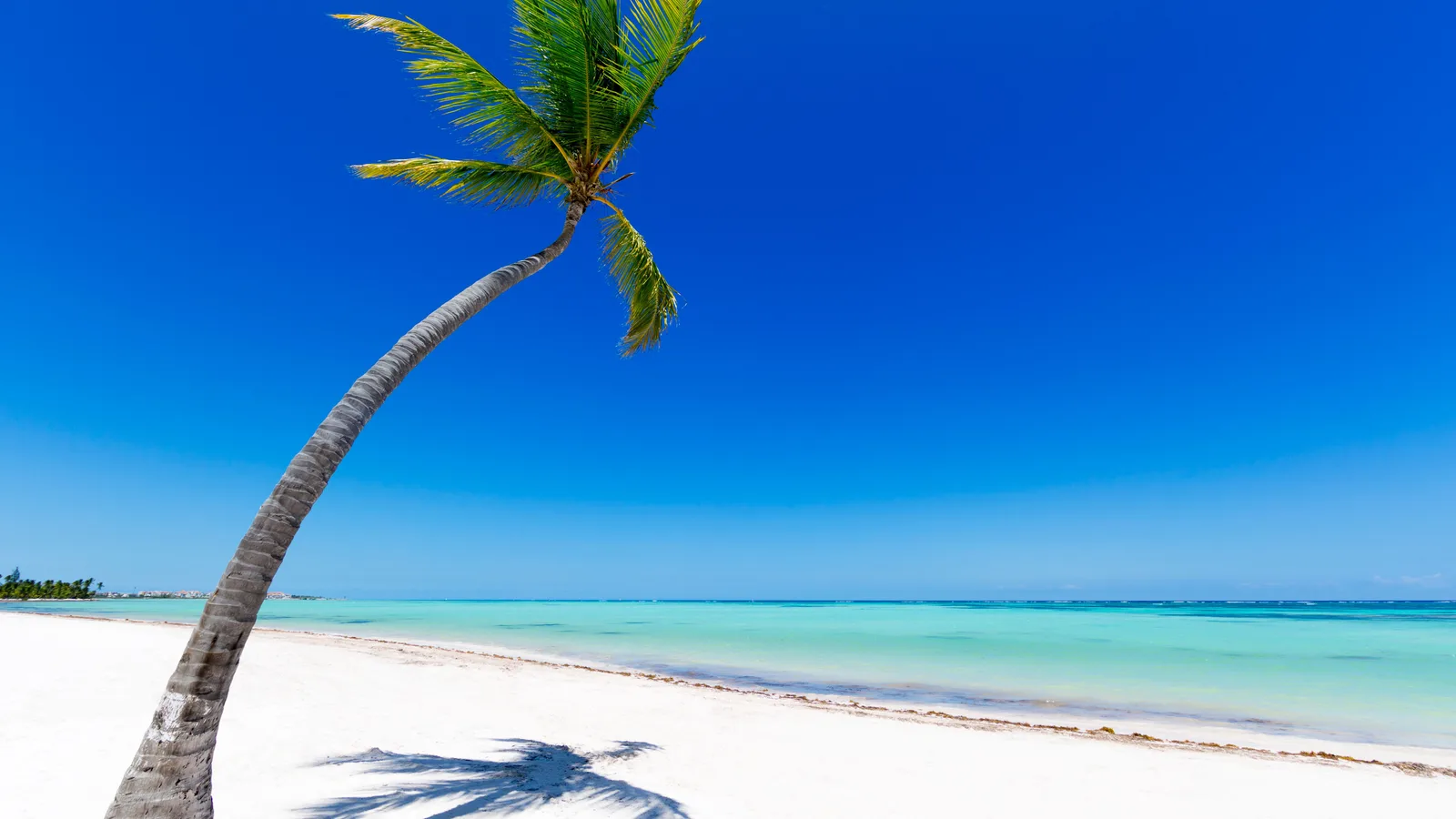
Best Island to Travel to in Hawaii: 5 Picks Compared
Oahu for first-timers, Maui for balance, the Big Island for volcanoes, Kauai for scenery, Molokai for solitude — how to pick your Hawaii island.
The quick answer: which island fits your trip
Match the island to the holiday you're actually taking, not to the brochure.
- First time in Hawaii, want variety with the least driving: Oahu.
- One island, one week, beach plus volcano plus rainforest: Maui.
- Volcanoes, black sand and long empty roads: Hawaii Island (the Big Island).
- Cliffs, hiking and the most dramatic coastline: Kauai.
- Solitude, low prices and no resort scene: Molokai.
If you only read one line: Maui is the best single island for most travellers, and Oahu is the best first island. Those are two different answers. Maui is the better holiday; Oahu is the easier introduction.
The five islands side by side
| Factor | Oahu | Maui | Hawaii Island | Kauai |
|---|---|---|---|---|
| Best for | First trips, history, city plus beach | Balanced beach-and-adventure weeks | Volcanoes, space and variety | Scenery, hiking, boat days |
| Signature experience | Pearl Harbor and Waikiki | Haleakala sunrise, Road to Hana | Kilauea inside Hawaii Volcanoes National Park | Napali Coast by boat or helicopter |
| Getting around | Bus and rideshare work; a car helps | Car needed for most day trips | Car essential, long distances | Car essential, no coastal loop road |
| Water and beaches | Waikiki, Hanauma Bay, North Shore surf | Molokini snorkelling, Kaanapali, Wailea | Black sand, manta snorkelling, rocky entries | Hanalei Bay, Poipu, heavy winter surf |
| Crowd level | Busiest island by far | Busy in the resort areas | Quiet outside Kona | Quiet, though trailheads fill early |
| Suggested stay | 4–6 nights | 5–7 nights | 5–7 nights across two bases | 4–5 nights |
| Rain risk | Moderate; winter showers | Low in Kihei and Wailea, wet in Hana | Hilo side very wet, Kona dry | Highest of the five, especially north shore |
| Money | Wide range, pricey in Waikiki | Most expensive on average | Best value on the Hilo side | Mid to high, fewer deals |
Oahu: the easiest first trip
Best for first-timers
Oahu
4.6Oahu squeezes the state's biggest variety into the shortest distances. You can snorkel at Hanauma Bay in the morning, stand at the USS Arizona Memorial at Pearl Harbor after lunch, and watch winter surf at Waimea Bay on the North Shore before dinner. It is also the island that asks the least of you: Honolulu has the rental cars, the buses, the guided day tours and the restaurants, so a first trip doesn't collapse if one plan falls through.
The trade-off is company. This is the busiest island, Honolulu traffic is slow, and Waikiki hotels charge a premium for rooms that would be mid-range elsewhere. Base yourself in Waikiki for convenience and add two nights on the North Shore if you want the slower version.
Why it works
- Everything is reachable as a day trip from one base
- Best transport, tours and restaurant choice in the state
- History and city life alongside the beaches
- Workable without a car, which suits shorter trips
What to accept
- Busiest island; Honolulu traffic eats into your day
- Waikiki accommodation is expensive for what you get
- Famous beaches get crowded by mid-morning
Maui: the best all-rounder
Best overall
Maui
4.8Maui is the safest bet for a single-island week. You can catch sunrise from the Haleakala summit, drive the Road to Hana through rainforest and waterfalls, snorkel the Molokini crater, and still be on the sand at Kaanapali or Wailea by mid-afternoon. Resorts are polished, food is genuinely good, and the island is small enough that nothing feels like an expedition.
The catch is that the headline experiences are booked, not improvised: Haleakala sunrise entry, popular restaurants and the Road to Hana on a busy weekday all reward planning. Accommodation is the most expensive of the five on average. Base in South Maui for calm water and shorter drives, or West Maui for resort facilities and sunsets.
Why it works
- Beach, volcano, rainforest and food in one week
- Compact enough that day trips don't wreck you
- Excellent snorkelling, plus humpback whales in winter
- Strong mid-range and luxury choice
What to accept
- Key experiences need advance reservations
- Highest typical lodging costs of the five
- West-side roads can be slow when traffic builds
Hawaii Island: volcanoes, coffee and space
Best for volcanoes and variety
Hawaii Island (the Big Island)
4.5The Island of Hawaii is larger than all the other islands combined, and it behaves like a small country: dry lava fields around Kona on one side, rainforest around Hilo on the other, and Hawaii Volcanoes National Park in between, where Kilauea ranks among the most active volcanoes on earth. Add the Mauna Kea summit (four-wheel drive required, and you should acclimatise at the visitor station first), Punaluu's black sand, Kona coffee farms and manta ray night snorkelling, and you get the most varied week in the state.
The weakness is logistics. Distances are long, so a single base means hours in the car; split your stay between the Kona and Hilo sides. White-sand swimming beaches are fewer, and many shoreline entries are rocky.
Why it works
- Active volcanism you can see without a tour
- Black sand, manta rays and coffee farms in one trip
- Quiet roads and low crowds away from Kona
- Best value of the five on the Hilo side
What to accept
- Long drives; one base does not work well
- Fewer classic white-sand swimming beaches
- Hilo is one of the wettest towns in the state
Kauai: cliffs, canyon and trails
Best for scenery and hiking
Kauai
4.7Kauai is the scenery island. The fluted green cliffs of the Napali Coast, the red rock of Waimea Canyon, Hanalei Bay and the rain-soaked high ground of Mount Waialeale deliver landscapes the other islands can't match. Hikers have the Kalalau Trail — permits required, and the first section to Hanakapiai Falls is the realistic day walk — while everyone else sees the coast by boat or helicopter, because there is no road along it.
Development is low-rise and the pace is slow, which is the point. It is also the rainiest of the five, especially on the north shore in winter, and the island's lack of a coastal loop road means you commit to one side each day.
Why it works
- The most spectacular coastline in Hawaii
- Serious hiking plus easy boat and air tours
- Low-rise, small-scale development
- Quiet beaches outside Poipu and Hanalei
What to accept
- Rain is a genuine risk, worst on the north shore
- No road circles the island, so drives are out-and-back
- Fewer big resorts, less nightlife and fewer restaurants
Molokai: Hawaii without the resort
Best for solitude
Molokai
4.2Molokai is Hawaii without the sheen: Kaunakakai's low-slung main street, the three-mile sweep of Papohaku Beach, the Halawa Valley, and the Kalaupapa peninsula, which you can only reach on a guided tour and which carries the history of the Hansen's disease settlement and Father Damien. There are no high-rise resorts and very little organised for you, which is precisely the appeal.
Come for hiking, fishing, empty sand and a pace that feels a generation behind. Don't come for nightlife, snorkelling infrastructure or a first Hawaii trip. Book your rental car and any Kalaupapa tour before you fly — inventory is small and it does sell out.
Why it works
- Genuinely empty beaches and trails
- Cheapest of the five for accommodation
- A cultural story you won't find elsewhere in Hawaii
What to accept
- Very limited restaurants, tours and rental cars
- Not a beach-resort holiday; little organised activity
- Thin flight schedule, so a missed connection hurts
How to choose: the factors that actually decide it
Ignore the postcard ranking and weight these five factors instead. For a typical first or second trip of about a week, they carry roughly the importance below.
- Scenery and landscape variety
- 5.0/5
Kauai and the Big Island lead on drama; Oahu's Koolau range is underrated because most visitors never leave Waikiki.
- Ease of a first trip
- 4.5/5
Oahu wins on flights, transport and backup options. Molokai is the hardest island to wing.
- Beach and water quality
- 4.5/5
Maui and Oahu have the most swimmable sand; the Big Island trades that for black sand and manta dives.
- Cost for a week
- 4.0/5
Molokai and Hilo are the value plays; Wailea and Waikiki are the expensive ones.
- Crowd-free feel
- 3.5/5
Molokai first, then Kauai's west side and the Big Island's Hamakua coast.
Two more questions settle most arguments:
- How much driving do you want? If the answer is none, choose Oahu and stay central. If you enjoy a road trip, the Big Island and Kauai reward it.
- What would ruin the trip? Rain ruins Kauai for some people; traffic ruins Oahu for others; a lack of restaurants ruins Molokai. Pick the island whose weakness you can live with.
Practical details that change the answer
A few logistics decide as much as scenery does.
- Island hops are short but not free. Inter-island flights run 30–45 minutes, yet door-to-door transfers eat half a day once you add security, baggage and the rental car desk.
- Reservations are now normal. Diamond Head and Hanauma Bay on Oahu use timed entry, Haleakala sunrise on Maui needs a permit, and Kalalau Trail permits and Napali boat seats on Kauai sell out. Lock these in before you book flights.
- Rental cars matter more than hotels. Book early for peak months; on the Big Island and Kauai there is no realistic alternative, and resort parking fees add up.
- Season shifts the answer. Humpback whales pass through December to April, bringing crowds and surf, while summer brings the calmest water for snorkelling. Hurricane season runs June to November.
The final recommendation
Hawaii island questions travellers actually ask
Is a week enough for two Hawaiian islands?
It works if you accept one move and stay at least four nights on the main island. Two islands in seven nights means roughly half a day lost to airports, security and picking up a second rental car — and it makes advance reservations harder to fit around.
Which island is best for families with young children?
Maui and Oahu are the simplest: calm, lifeguarded beaches at Kaanapali, Wailea and Waikiki, short drives, and plenty of condos with kitchens. Kauai's north shore surf and the Big Island's rocky entries need more supervision.
Do I need to rent a car on every island?
No on Oahu, where Honolulu buses, rideshares and guided tours cover most sights. Yes on Maui, Kauai and the Big Island, where attractions are spread along long coastal roads. Molokai needs one too, and its rental fleet is tiny, so book early.
When is the cheapest time to visit Hawaii?
Rates soften in spring and autumn, outside the winter whale season and the summer school holidays. Airfare matters more than hotel price on this route, so shifting your dates by a week often saves more than switching islands.
Which island has the best beaches for swimming?
Maui and Oahu. South Maui and the Waikiki-to-Kailua stretch give you calm, sandy entries most of the year. Kauai's north shore has strong seasonal surf, and much of the Big Island's coastline is lava rock rather than sand.
Can I visit a volcano without a tour?
Yes — Hawaii Volcanoes National Park on the Big Island is a normal drive-in park with roads and trails, and Kilauea's activity is visible from marked overlooks when conditions allow. Mauna Kea's summit is different: you need four-wheel drive and time to acclimatise.
Related articles
 The Best Carry-On Luggage: 5 Picks for Every TripShortlists
 Best City to Travel in Canada: 5 Picks for Every TravelerShortlists
 Best Crossbody Bags for Travel: 5 Picks Worth PackingShortlists
 The 5 Best December Travel DestinationsShortlists
 The 5 Best Places to Go in JanuaryShortlists
 Best Destinations to Visit in March: 5 Trips Worth PlanningShortlists
 Best Hiking Boots: 5 Picks for Trails, Backpacking and Wide FeetShortlists
 Best Places to Visit in Greece: 5 Picks for Every TravelerShortlists