Best Places to Travel in Mexico: 5 Picks for Every Traveler
Mexico City, Oaxaca, the Riviera Maya, Baja California Sur and San Miguel de Allende compared — what each is best for, when to go and how to choose.
The short answer: which part of Mexico fits your trip
Mexico is not one destination, and the trip improves the moment you stop trying to see all of it. The five places below cover the country's main travel styles, and each is a trip in itself rather than a stop on a loop.
Mexico City is the culture-and-food answer, and the easiest first trip. Oaxaca is the same idea at a slower pace, with cooking and craft at the center. The Riviera Maya is the beach trip, cenotes included. Baja California Sur trades crowds for desert, whales and reef. San Miguel de Allende is the compact colonial town you can walk in a morning and still enjoy on day four.
If you only read one line: pick Mexico City for a first visit, Oaxaca if you travel for food, the Riviera Maya if you want salt water, Baja for wildlife, and San Miguel for a slow, walkable week.
Mexico City: the best all-round first trip
Best overall for first-timers
Mexico City
4.8The capital packs the country's deepest museums, its most ambitious restaurants and a dozen distinct neighborhoods into one high-altitude valley. Base yourself in Roma or Condesa for cafés and walkable streets, or in Centro for the Zócalo, the Templo Mayor and the Palacio de Bellas Artes. Give one day to Teotihuacán and another to the canals of Xochimilco, then leave the rest loose — this is a city that rewards wandering more than ticking off sights.
Why it works
- Museum depth that is hard to match anywhere in the Americas, clustered around Chapultepec
- Food running from market stalls to tasting menus within a few metro stops
- Neighborhoods like Roma, Condesa and Coyoacán that each feel like a separate city
- Day trips that need no car: Teotihuacán, Xochimilco, Puebla
What to weigh
- At roughly 2,240 m, the first day is slower than most people plan for
- Traffic between neighborhoods can swallow an afternoon
- Dense, loud and short on green space outside a few parks
- Best months
- March to May and October to November — dry and mild
- Rainy season
- June to September, usually as afternoon downpours rather than all-day rain
- Ideal length
- 4 to 6 days
- Getting around
- Metro and Metrobús for the core, ride-hailing at night, walking in Roma, Condesa and Coyoacán
- Airports
- Benito Juárez (MEX) sits close to the center; Felipe Ángeles (NLU) is well north of the city
Oaxaca: the best food and craft trip
Best for food and craft travelers
Oaxaca City and the Central Valleys
4.7Oaxaca is where Mexico's kitchen and its craft traditions are most visible at once. The centro is compact enough to cover on foot, with the 20 de Noviembre and Benito Juárez markets doing most of the eating work. Outside town, Monte Albán, Hierve el Agua and the weaving village of Teotitlán del Valle are easy day trips, and mezcal distilleries dot the surrounding valleys. Add four or five days on the coast at Puerto Escondido or Mazunte if you want beach time inside the same trip.
Why it works
- Mexico's most celebrated regional cooking, from tlayudas to a dozen distinct moles
- Markets, textile workshops and pottery villages within an hour of the city
- Monte Albán and other archaeological sites right on the doorstep
- A Pacific coast add-on reachable by short flight or overnight bus
What to weigh
- Summer is wet, with heavy afternoon rain from June through September
- Guelaguetza in July and Día de Muertos fill hotels months in advance
- Village-hopping is far easier with a hired driver than on public transport
- Best months
- October to March — dry, clear and cool at night
- Ideal length
- 5 to 7 days in the city and valleys, plus 3 to 4 on the coast
- Getting around
- Walkable center, taxis and colectivos, hired driver for village and mezcal days
- Altitude
- About 1,550 m — noticeable but far gentler than Mexico City
Riviera Maya: the best beach trip
Best for beaches and easy logistics
Riviera Maya (Playa del Carmen, Tulum, Puerto Morelos)
4.5The Caribbean coast south of Cancún is the simplest Mexico trip to plan: one airport, one highway, and a chain of towns running from all-inclusive resorts to barefoot bungalows. What lifts it above a generic beach destination is the cenotes — freshwater sinkholes you can swim in — along with reef snorkeling, the Tulum ruins and the Sian Ka'an reserve. Puerto Morelos and Akumal suit families and quieter stays; Tulum is the busy, design-forward end of the strip.
Why it works
- Cenotes, reef and beach within a short drive of each other
- Direct flights into Cancún and straightforward transfers south
- Every lodging style from all-inclusive resorts to small boutique hotels
- Inland add-ons at Valladolid, Cobá and Chichén Itzá
What to weigh
- Sargassum seaweed can pile up on beaches in warm months, and the severity changes year to year
- Tulum is crowded and the most built-up stretch of coast
- Hurricane season runs June through November
- Best months
- December to April — dry, breezy and outside hurricane season
- Ideal length
- 5 to 8 days, split between a beach base and one inland night
- Getting around
- ADO buses and colectivos along the highway; a car only if you want remote cenotes
- Don't miss
- A cenote swim, reef snorkeling at Akumal or Puerto Morelos, and the Tulum ruins early in the day
Baja California Sur: the best wildlife trip
Best for wildlife and open coast
Baja California Sur (La Paz, Todos Santos, Cabo Pulmo)
4.6The southern half of the Baja peninsula is desert meeting sea, with far more space and far fewer people than the Caribbean coast. La Paz is the base for whale-shark trips in season and for boats out to Espíritu Santo; Cabo Pulmo protects a coral reef that snorkelers and divers can reach from shore; the Pacific lagoons north of the peninsula are where gray whales calve in winter. You need a car and a tolerance for long drives — the reward is empty beaches and enormous landscapes.
Why it works
- Whale sharks around La Paz in season and gray whales in the Pacific lagoons in winter
- Cabo Pulmo's reef and the calm, clear water of the Sea of Cortés
- Desert-and-sea scenery with very little crowding
- Todos Santos and the East Cape for low-key food and surf towns
What to weigh
- Distances are long and a rental car is close to essential
- Summer heat is intense, and the peninsula sits in hurricane territory
- Pacific-facing beaches often have strong surf and currents
- Best months
- November to April for mild weather and whale season
- Ideal length
- 7 to 10 days, with two or three bases
- Getting around
- Rental car; Los Cabos and La Paz both have airports
- Wildlife timing
- Gray whales in the Pacific lagoons from January to April; whale sharks around La Paz from late autumn into spring
San Miguel de Allende: the best small-town trip
Best for a walkable colonial town
San Miguel de Allende
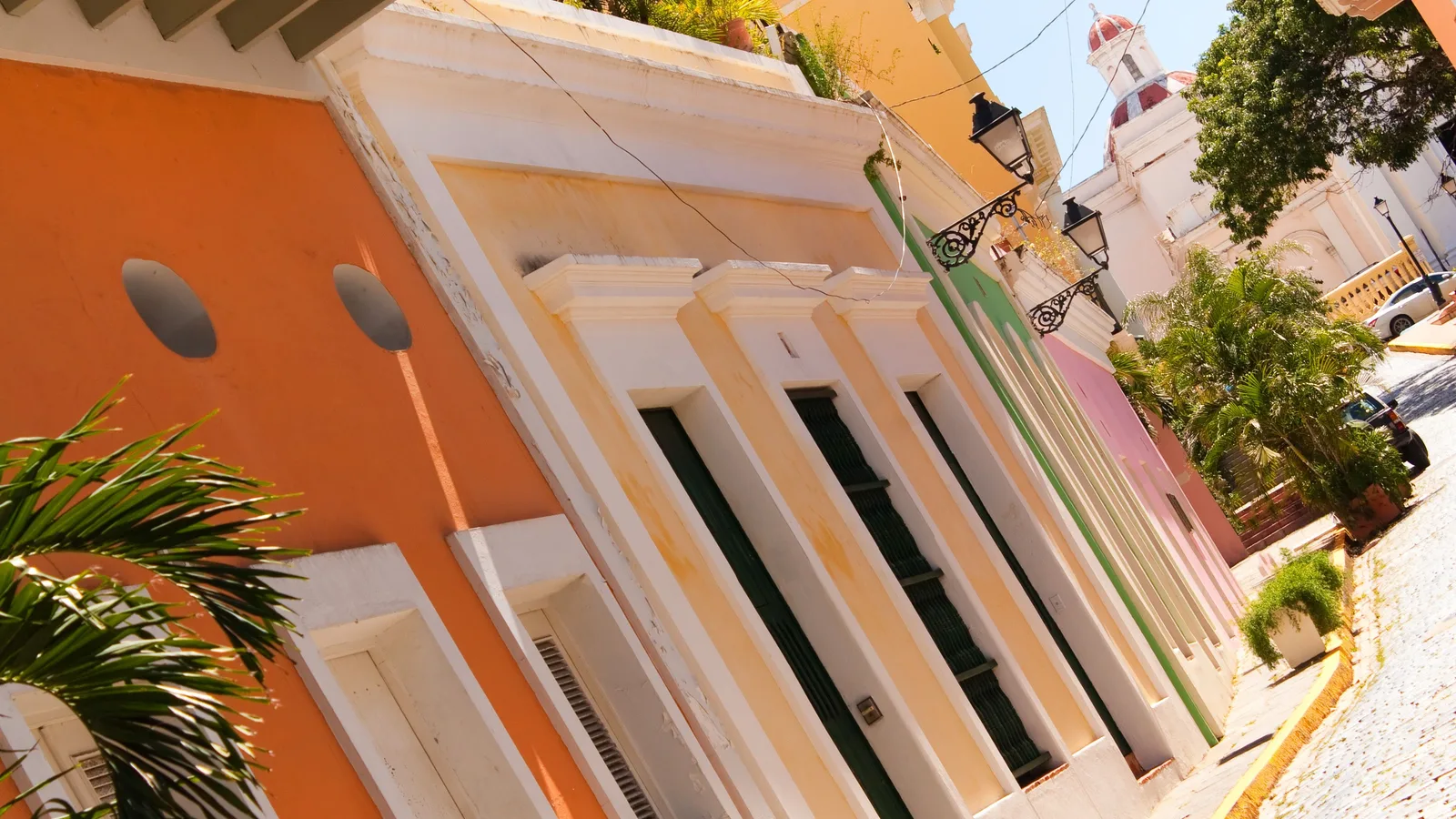
4.4A compact grid of cobblestone streets and ochre, marigold and rust facades climbing around the Parroquia de San Miguel Arcángel. It is a town for slow mornings, gallery afternoons and long dinners, with a large foreign-resident community that keeps the restaurant, music and arts scene busy. Guanajuato, Dolores Hidalgo and the hot springs outside town are short hops, and the town pairs naturally with Mexico City on a longer route.
Why it works
- A genuinely walkable center — most stays put you minutes from the main plaza
- Strong arts, music and hands-on cooking class scene
- Easy pairing with Guanajuato and Dolores Hidalgo
- Mild, dry weather through most of the year
What to weigh
- Hilly cobblestones are hard on ankles, wheeled luggage and anyone with mobility limits
- The center can feel curated, and it is one of the more polished — and pricier — towns in the region
- Few blockbuster sights: it is a place to be, not to tick off
- Best months
- October to April — dry and mild, cool at night
- Ideal length
- 3 to 5 days, or a week if you want day trips and downtime
- Getting around
- On foot in the center; taxis for the bus station and surrounding towns
- Nearby
- Guanajuato, Dolores Hidalgo, the hot springs, and a few wineries in the surrounding hills
How the five compare side by side
The differences that matter are not about which place is better — they are about which one matches your dates, your tolerance for moving around and what you want to be doing at 4 p.m. on day three.
| Destination | Best months | Ideal length | Signature experience | Main drawback |
|---|---|---|---|---|
| Mexico City | March–May, October–November | 4–6 days | Teotihuacán pyramids and the Xochimilco canals | Altitude and traffic |
| Oaxaca | October–March | 5–7 days plus coast | Market food, mezcal valleys and Monte Albán | Wet summers, holiday crowds |
| Riviera Maya | December–April | 5–8 days | Swimming in a cenote and snorkeling the reef | Seaweed and hurricane season |
| Baja California Sur | November–April | 7–10 days | Whale sharks at La Paz, gray whales on the Pacific | Long drives and summer heat |
| San Miguel de Allende | October–April | 3–5 days | Cobblestone streets and nearby Guanajuato | Steep, uneven ground |
How to choose: the criteria that actually decide it
- Start with the style of trip, not the map. Beach, city, food or wildlife is the first fork. No amount of research will turn San Miguel de Allende into a swimming holiday.
- Let the season filter the list. Most of the country is at its best from November to April. The Caribbean coast and Baja both sit in hurricane territory from June to November, and Oaxaca's rains arrive in summer afternoons.
- Be honest about how much you want to move. Two bases in ten days beats five bases in ten days almost every time. Baja in particular looks small on a map and drives big.
- Decide on a car. You want one in Baja California Sur and you do not want one in Mexico City, Oaxaca or San Miguel de Allende. The Riviera Maya sits in between, with good buses along the highway.
- Factor in altitude and heat. Mexico City is high, Oaxaca is moderately high, and Baja in July is genuinely hot. Travelers with heart or lung conditions should take the altitude question to a doctor before booking.
- Consider pairing two regions. Mexico City plus Oaxaca, or Mexico City plus San Miguel and Guanajuato, gives you contrast without a punishing transfer day.
Practical notes before you book
A few things are worth knowing before you commit to dates. The Atlantic and Caribbean hurricane season runs from June through November, with the highest risk usually in late summer and early autumn; the Pacific coast has a similar window that starts earlier in the year. Sargassum seaweed on Riviera Maya beaches is a warm-month problem that varies enormously from year to year, so build in flexibility if that coast is the whole point of the trip.
In the cities and towns, drink bottled or filtered water, carry pesos for markets and small vendors, and expect Día de Muertos and Semana Santa to be the busiest — and most expensive — weeks of the year. Book lodging for those dates well ahead.
The bottom line
Frequently asked questions
Is Mexico City's altitude a real problem?
The city sits around 2,240 m (roughly 7,350 ft). Most visitors just feel short of breath on stairs for a day or two. Drink more water than usual, keep the first day light and skip the arrival-night bar crawl. Anyone with heart or lung conditions should check with a doctor before flying in.
When is hurricane season in Mexico?
The Atlantic and Caribbean season runs June through November, with the highest risk generally in late summer and early autumn. The Pacific coast has a similar window starting in mid-May. The Riviera Maya and Baja California Sur are both exposed, so flexible bookings are worth having for trips in those months.
Do I need to rent a car?
Only in Baja California Sur, where the distances between La Paz, Todos Santos, Cabo Pulmo and the whale lagoons are long. Mexico City, Oaxaca and San Miguel de Allende are better done on foot with taxis or ride-hailing. On the Riviera Maya, buses and colectivos cover the highway towns well.
Can I combine two of these regions in one trip?
Yes. Mexico City and Oaxaca are linked by a short flight or a long bus, San Miguel de Allende is a few hours by road from Mexico City and close to Guanajuato, and the Riviera Maya pairs easily with Valladolid and Chichén Itzá. Baja is better kept as its own trip.
Will I get by without Spanish?
English is common in the Riviera Maya, in San Miguel de Allende and in Mexico City's expat-heavy neighborhoods. It is less reliable in Oaxaca's markets and villages and in Baja's smaller towns. A few phrases and an offline translation app cover most situations.
Related articles
 The Best Carry-On Luggage: 5 Picks for Every TripShortlists
 Best City to Travel in Canada: 5 Picks for Every TravelerShortlists
 Best Crossbody Bags for Travel: 5 Picks Worth PackingShortlists
 The 5 Best December Travel DestinationsShortlists
 The 5 Best Places to Go in JanuaryShortlists
 Best Destinations to Visit in March: 5 Trips Worth PlanningShortlists
 Best Hiking Boots: 5 Picks for Trails, Backpacking and Wide FeetShortlists
 Best Island to Travel to in Hawaii: 5 Picks ComparedShortlists