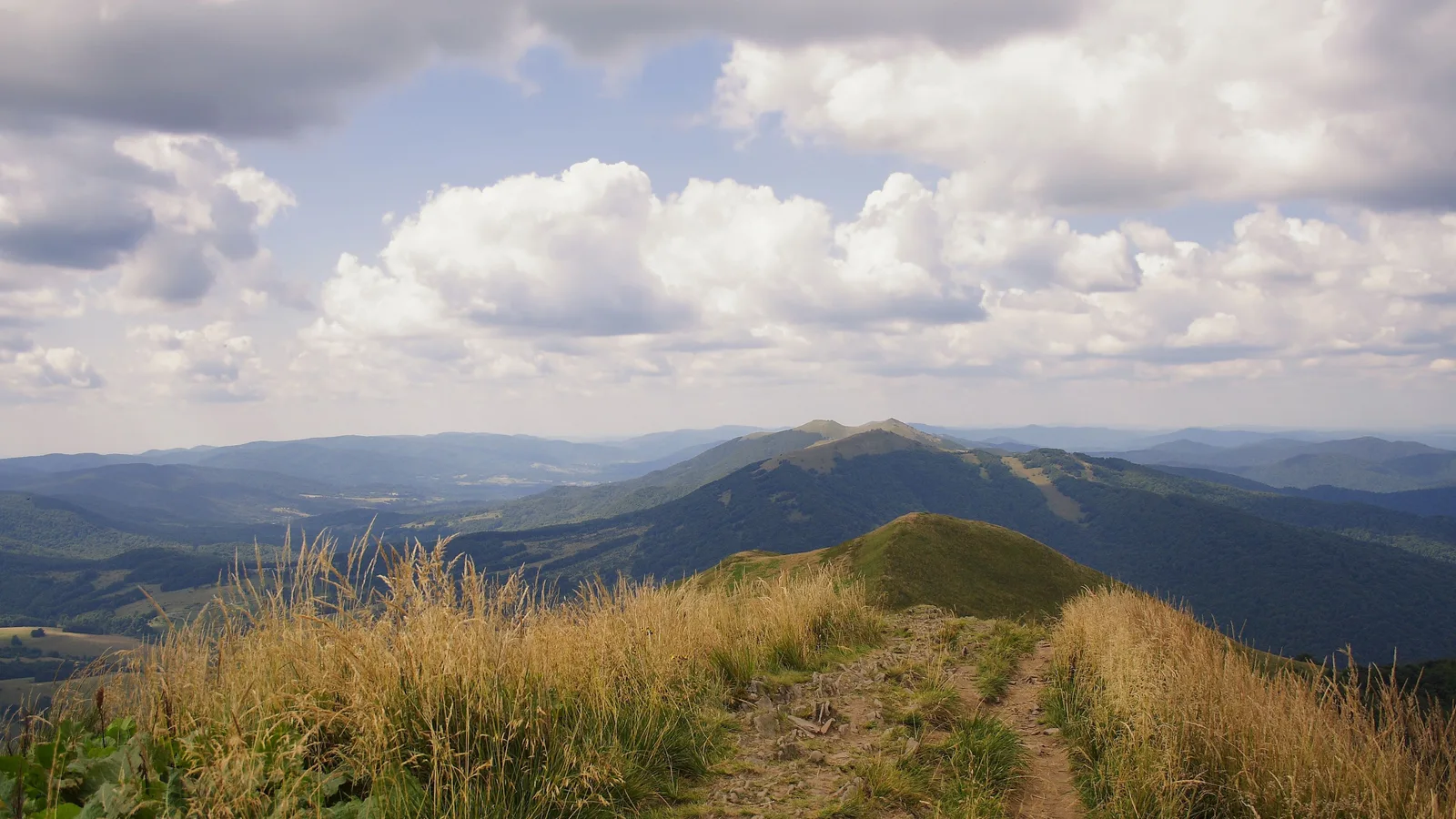
5 Best Travel Destinations in February for Sun and Adventure
Five places that hit their stride in February, from Mexico City's dry-season sunshine to Patagonia's long summer days, plus how to pick one.
February Travel at a Glance
February splits the travel map in two. North of the equator it is the last stretch of winter — cold in Europe and most of North America, but dry and sunny across the tropics and the Caribbean. South of the equator it is high summer, with long days and peak-season prices. That is why the strongest February trips tend to be either dry-season cities in the tropics or southern-hemisphere summer spots where the daylight itself is the draw.
The quick answer: Mexico City is the best all-rounder. Cartagena is the pick if you want heat and a Caribbean swim. Cape Town delivers the biggest summer. Torres del Paine is for hikers, and Costa Rica is for wildlife and families.
- Mexico City — best overall: dry, mild days, huge food and museum scene
- Cartagena — best for warm-weather city life within a short flight of the US
- Cape Town — best for peak summer, with sunset close to 8pm
- Torres del Paine — best for a serious multi-day trek
- Costa Rica — best for wildlife, beaches and travelling with kids
| Destination | February weather | Best for | Crowds and prices |
|---|---|---|---|
| Mexico City, Mexico | Dry and sunny, around 73°F by day; cold nights near 45°F | Food, museums, markets, architecture, day trips | Busy but absorbent; plenty of hotels at every price |
| Cartagena, Colombia | Hot and breezy, around 88°F, almost no rain | Walled old town, Caribbean islands, colonial streets | Peak season; Old Town rooms sell out early |
| Cape Town, South Africa | Peak summer, around 80°F, dry, sunset near 8pm | Beaches, Table Mountain, wine country | Busiest and priciest month of the year |
| Torres del Paine, Chile | Mild days near 60°F, cold nights, strong wind | Multi-day trekking, glaciers, wildlife | Peak trekking season; campsites book out |
| Costa Rica | Dry on the Pacific coast near 90°F; wetter on the Caribbean | Wildlife, volcano towns, family beaches | Peak season, especially around US school breaks |
Mexico City, Mexico: The Best All-Rounder
Best overall
Mexico City, Mexico
4.8February is Mexico City at its most usable: the rainy season is months away, skies are clear and daytime temperatures sit around 73°F, so you can walk Roma and Condesa, queue for the Museo Nacional de Antropología and eat your way through markets without summer afternoon downpours. Nights drop into the mid-40s, which is a jacket problem, not a trip-ruiner. Because this is a working city rather than a resort, February is busy but not overwhelmed, and the hotel stock runs from hostels to grand old colonials. Give Teotihuacán a full morning while the light is good.
Why it works in February
- Dry, sunny days with clear skies and comfortable 70s
- World-class museums, markets and food within a few walkable neighborhoods
- Deep hotel supply across every budget
- Easy day trips, including Teotihuacán
What to watch out for
- Cold mornings and evenings — pack layers
- The altitude of about 7,350 ft takes a day to adjust to
- Weekend crowds at the anthropology museum and Frida Kahlo's house
- Typical February high
- About 73°F (23°C)
- Typical February low
- About 45°F (7°C)
- Rain
- Negligible — one of the driest months of the year
- Elevation
- Roughly 7,350 ft (2,240 m)
- Daylight
- About 11.5 hours
Cartagena, Colombia: Best for Warm-Weather City Life
Best for warm-weather city life
Cartagena, Colombia
4.6February sits inside Cartagena's dry season, and the trade winds take the edge off the heat: expect around 88°F, almost no rain and a breeze that builds through the afternoon. The walled city and Getsemaní are compact enough to cover on foot in the cool early mornings and again after dark, while boat trips to the Rosario Islands or Barú fill the middle of the day. It is a city break and a beach trip in one, and it pairs easily with Medellín if you want two stops. Rates are at their yearly peak in the Old Town, so book that first.
Strengths
- Reliably hot and dry, with afternoon sea breezes
- Compact walled city and Getsemaní, walkable in the cooler hours
- Boat trips to the Rosario Islands and Barú
- Favorable exchange rate for US travelers
Weaknesses
- Peak-season room rates inside the walls
- Vendors and midday heat on the main squares
- The city beaches themselves are not the draw
- If you add Tayrona National Park, check whether it falls in an annual closure period
- Typical February high
- About 88°F (31°C)
- Typical February low
- About 75°F (24°C)
- Rain
- Very little; one of the driest months
- Wind
- Steady trade winds, strongest in the afternoon
- Sea temperature
- Around 80°F (27°C)
Cape Town, South Africa: Best for Peak Summer
Best for peak summer
Cape Town, South Africa
4.7February is Cape Town's high summer: dry, sunny, around 80°F by day, with sunset not until nearly 8pm. That long daylight is the point. You can hike Platteklip Gorge or ride the cableway up Table Mountain in the morning, drive out to Stellenbosch or Franschhoek for a long lunch, and still reach Clifton beach before the sun drops. It is also the busiest and most expensive month of the year, so lock in accommodation on the Atlantic seaboard early. Bring a wind layer — the southeasterly known as the Cape Doctor can close the cableway and flatten a beach day.
Strengths
- Sunset close to 8pm, so the days feel long
- Beaches, mountains and wine country within an hour of each other
- Settled, dry weather for most of the month
- Excellent food and coffee for the price
Weaknesses
- Highest prices and heaviest crowds of the year
- Cape Doctor wind can shut the cableway and empty the beaches
- Atlantic water is genuinely cold
- No whales — the Hermanus season runs roughly June to November
- Typical February high
- About 80°F (27°C)
- Typical February low
- About 61°F (16°C)
- Daylight
- About 13.5 hours; sunset close to 8pm
- Rain
- Rare — February is one of the driest months
- Atlantic sea temperature
- Cold, around 60°F (15°C)
Torres del Paine, Chile: Best for Serious Hiking
Best for serious hiking
Torres del Paine, Chile
4.5February is the second half of the austral summer and the most reliable window for the W trek: daylight runs to roughly 14 hours, every refugio and campsite is staffed, and daytime temperatures hover around 60°F. Wind, not rain, is the variable — gusts can be ferocious on exposed stretches and the weather turns fast, so pack for four seasons in a day. The trade-off is that everyone knows this. Campsites and refugios on the W sell out months ahead, and flights to Punta Arenas climb in price through the season. Book the trek before you book anything else.
Strengths
- Long daylight, with light until roughly 10pm in Puerto Natales
- All refugios and campsites staffed for the season
- Best odds of stable weather in the park
- Guanacos, condors and the Grey Glacier on one trip
Weaknesses
- Campsites and refugios sell out months ahead
- Ferocious, unpredictable wind
- Expensive flights to Punta Arenas and peak lodge rates
- Trails and viewpoints are busy in February
- Typical daytime high
- Around 60°F (16°C)
- Typical night low
- Around 43°F (6°C)
- Daylight
- About 14 hours in Puerto Natales
- W trek length
- Usually 4–5 days
- Access
- Fly to Punta Arenas, bus to Puerto Natales, then into the park
Costa Rica: Best for Wildlife and Families
Best for wildlife and families
Costa Rica
4.6February is deep in Costa Rica's Pacific dry season: blue-sky days in Guanacaste, easy wildlife spotting around Arenal and Manuel Antonio, and beach weather that suits children. Humpbacks move through the southern Pacific during the northern winter, and the dry forest is at its most walkable. The Caribbean coast and the cloud forests run noticeably wetter, so pick two regions rather than trying to cover the whole country. It is peak season — lodges in Manuel Antonio and Monteverde fill up — and road transfers eat more time than the map suggests.
Strengths
- Pacific dry season with reliable blue-sky beach days
- Easy wildlife: monkeys, sloths, toucans and humpbacks offshore
- Family-friendly lodges and well-marked national parks
- Short internal flights between regions
Weaknesses
- Peak-season rates and full lodges
- Popular parks get crowded by mid-morning
- The Caribbean coast and cloud forests are much wetter
- Road transfers between regions take longer than the map suggests
- Pacific high
- Around 90°F (32°C) in Guanacaste
- Pacific low
- Around 73°F (23°C)
- Dry season
- Roughly December to April on the Pacific side
- Wetter regions
- Caribbean coast and the cloud forests
- Wildlife timing
- Humpbacks in the southern Pacific during the northern winter
How to Choose: The Criteria That Matter
Four things change the outcome more than anything else:
- Hemisphere. February is winter in the north and summer in the south. Decide whether you want to escape the cold or lean into it.
- Dry-season timing. The Caribbean and Central America dry out from December to April; southern Chile and South Africa are dry in their summer. A destination being "tropical" does not make it dry in February — Costa Rica's Caribbean coast is much wetter than Guanacaste.
- Calendar collisions. US school breaks, Carnival and Lunar New Year land in or near February in most years, pushing up beach resorts, long-haul flights and city hotels at the same time.
- Fixed-date bookings. Trekking permits, campsites, safari lodges and festival-week rooms sell out first. Flights, car hire and city hotels can wait a little longer.
- Reliable weather
- 5.0/5
The biggest single factor. Pick a place whose dependable February weather matches what you actually plan to do outdoors.
- Crowds and prices
- 4.5/5
Peak season in the southern hemisphere and the Caribbean overlaps with US school breaks, so the cheapest weeks are rarely the obvious ones.
- Flight access
- 4.0/5
Mexico City, Cartagena and Costa Rica are short hops from most US hubs; Cape Town and Patagonia are long-haul commitments.
- Variety of things to do
- 4.0/5
Cities with food, museums and day trips survive a bad weather day far better than a single-purpose beach or trek.
- Value for money
- 3.5/5
Peak-season beach resorts are the worst value in February; big cities with deep hotel supply are usually the best.
Booking and Packing Notes
Pack for the destination's worst hour, not its average. February in Mexico City needs a warm layer for the evening; Cartagena needs little beyond sun protection; Cape Town needs a windproof shell; Patagonia needs a full layering system and broken-in boots; Costa Rica needs quick-dry clothing and insect repellent for the cloud forest.
Two bookings decide the trip's cost and stress level: the long-haul flight, which climbs through January as peak season tightens, and the first two nights' accommodation. Fix those, then leave the rest flexible so you can follow the weather.
The Verdict
February Travel: Common Questions
Is February a good month for a beach trip?
Yes, if you pick the right coast. The Caribbean and Central America are in their dry season and the southern hemisphere is at the height of summer. It is also peak season there, so expect the highest rates of the year.
Where can I go in February without a long flight from the US?
Mexico City, Cartagena and Costa Rica all have direct flights from multiple US hubs and are reachable in under six hours from the East Coast or Gulf. Cape Town and Patagonia are long-haul trips, usually with at least one connection.
Do I need to book Patagonia's W trek in advance?
Yes. Campsites and refugios inside Torres del Paine National Park are limited, and the January–February window fills months ahead. Reserve the trek first, then build flights around those dates.
Is February hurricane season anywhere in the Americas?
No. The Atlantic hurricane season runs from June to November, and the eastern Pacific season from mid-May to November, so February sits outside both.
Does Carnival affect February prices?
It can. Carnival falls in February or early March depending on the year, filling hotels in Rio de Janeiro, Barranquilla, Port of Spain and New Orleans and pushing up flight prices across those regions. Check the dates before you book.
Related articles
 The Best Carry-On Luggage: 5 Picks for Every TripShortlists
 Best City to Travel in Canada: 5 Picks for Every TravelerShortlists
 Best Crossbody Bags for Travel: 5 Picks Worth PackingShortlists
 The 5 Best December Travel DestinationsShortlists
 The 5 Best Places to Go in JanuaryShortlists
 Best Destinations to Visit in March: 5 Trips Worth PlanningShortlists
 Best Hiking Boots: 5 Picks for Trails, Backpacking and Wide FeetShortlists
 Best Island to Travel to in Hawaii: 5 Picks ComparedShortlists