Best Travel Destinations in July: 5 Trips Worth Booking
Five places that hit their peak in July, from Banff's alpine trails to Croatia's islands — plus what to book early and what to skip.
July travel: the quick answer
July is a strange month to plan around, because it means completely different things depending on where you point the map. It's the height of the dry season in the Canadian Rockies, the height of winter in New Zealand, the end of the rainy season in Japan and the start of the most expensive weeks on the Mediterranean. The destinations below are the ones where July is genuinely the best version of that place, not just a month it survives.
- Banff National Park, Canada — the best all-round pick if you want big mountain scenery, high trails and long evenings.
- Iceland — the pick if you'd rather have 24-hour daylight than heat.
- Croatia's Dalmatian coast — the pick for warm sea, island ferries and reliable sunshine.
- Alaska — the pick for wildlife, salmon runs and wilderness rather than beaches.
- Queenstown, New Zealand — the pick if July should mean snow and ski lifts.
The 5 best destinations for July
Best overall for mountain scenery
Banff National Park, Alberta, Canada
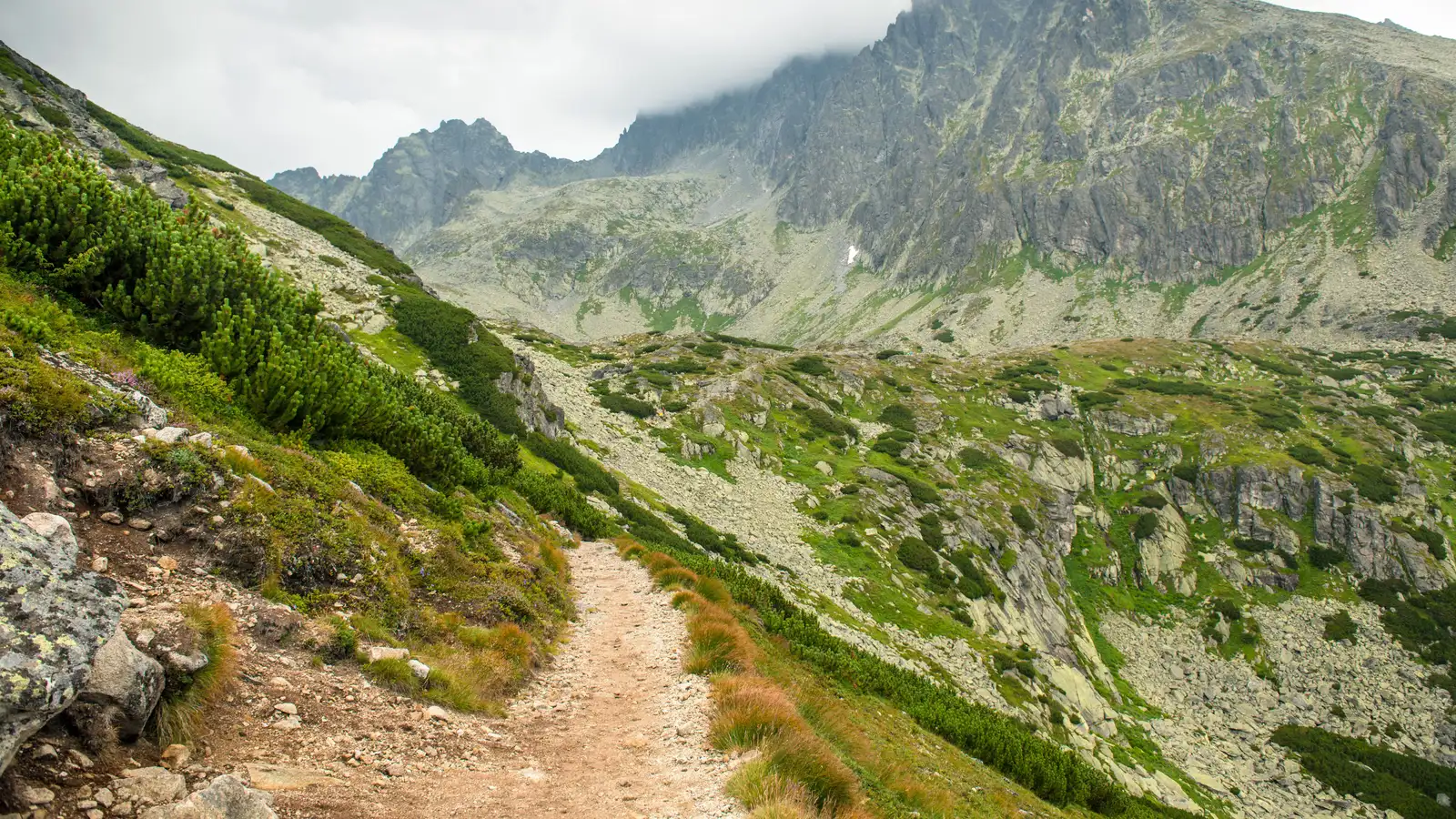
4.8Banff is the classic July answer for a reason: this is the stretch of year when the high alpine trails are reliably snow-free, the mountain passes are open and Lake Louise and Moraine Lake show the opaque turquoise colour people come for. Daylight runs past 10 p.m., so you can hike after dinner and still drive back in light. Base in Banff town, or in Canmore for slightly cheaper rooms, and treat the Icefields Parkway as a full day rather than a transfer. The catch is volume: July is the busiest month of the year, access to the two famous lakes is managed, and afternoon thunderstorms are a normal part of a Rockies summer.
Why it works in July
- Glacier-fed lakes at their strongest colour of the year
- High trails, passes and alpine meadows fully open
- Very long daylight for hiking and scenic drives
- Wildflowers at their peak in the high meadows
What to plan around
- Peak-season room rates in Banff and Lake Louise
- Shuttle or parking reservations needed for Lake Louise and Moraine Lake
- Frequent afternoon thunderstorms on ridge lines
Best for midnight-sun road trips
Iceland (Ring Road)
4.6July is when Iceland stops being a short-day destination. Around the solstice the sun barely sets, so a late-evening soak or a midnight walk costs you nothing in light and you can drive the Ring Road without ever watching the clock. Puffins are still on the sea cliffs, the Highland F-roads are open, and whale watching out of Húsavík is at its most productive. It is not warm — expect roughly 10–15°C with wind and rain — so pack the layers you'd take to Scotland in spring. Costs and campsite demand peak in July, and the south coast's headline stops fill up by mid-morning, so drive anti-clockwise and reach the big sights before nine.
Why it works in July
- Near-constant daylight around the solstice
- Puffins, whales and open Highland roads
- Waterfalls and fjords reachable without time pressure
What to plan around
- Highest prices and fullest campsites of the year
- Cool, wet, windy weather — not a beach trip
- South coast car parks and viewpoints get crowded
Best for swimming and island hopping
Dalmatian coast, Croatia (Split, Hvar, Korčula)
4.5July is when the Adriatic earns the hype: the sea sits around 24–25°C, the catamaran network runs the full island chain, and the days are long, dry and reliably sunny. Split works as the transport hub, Hvar and Korčula as the island stops, and the Pakleni or Elaphiti islands as easy day trips. The trade-off is that this is the single busiest month on the coast — cruise ships unload into Dubrovnik's Old Town in the morning and everything from ferry seats to apartment rentals is priced for it. Book catamaran tickets and rooms together, and shift sightseeing to early morning and after five in the afternoon when the heat and the day-trippers both ease.
Why it works in July
- Warm, swimmable sea and near-guaranteed sunshine
- Full ferry network between the islands
- Long evenings built for outdoor dining
What to plan around
- Peak-season pricing on rooms and ferries
- Cruise-ship crowds in Dubrovnik and Split
- Very little shade and real midday heat on the islands
Best for wildlife and wilderness
Alaska (Denali and the Kenai Peninsula)
4.4If you want animals rather than beaches, July is Alaska's sweet spot. Salmon are running, brown bears concentrate at Brooks Falls in Katmai, humpbacks and orcas are feeding in Kenai Fjords, and Denali is at its most likely to be out of cloud. The whole state is also fully operational — every road, lodge and boat tour is running, which is not true in May or October. Budgets need to match: Alaska is expensive, the season is short, and lodges sell out months ahead. Port towns such as Seward and Homer swell when cruise ships are in, so check ship schedules and plan your days around them rather than against them.
Why it works in July
- Peak salmon runs and the best bear-viewing window
- Long daylight for full-day hikes and boat trips
- Every lodge, road and tour operating
What to plan around
- High costs for lodging, internal flights and tours
- Cruise-ship crowds in port towns
- Marine and mountain weather can cancel boats and small planes
Best for skiing in southern winter
Queenstown, New Zealand
4.3July is deep winter in the southern hemisphere, which makes Queenstown the pick if July should mean snow. Coronet Peak and The Remarkables are within half an hour of town, Cardrona and Treble Cone are a scenic drive over the Crown Range, and the town runs on a ski-season rhythm of early starts and long après. Days are short — roughly nine hours of daylight — and mountain weather can close lifts or delay flights into Queenstown's ringed airport, so build a buffer day at each end of the trip. It's also school-holiday season in both New Zealand and Australia, so lift passes and beds go early.
Why it works in July
- Four ski areas within day-trip range of one base
- Real winter atmosphere in a compact, walkable town
- Plenty of non-ski options for mixed-ability groups
What to plan around
- Short daylight and cold, changeable weather
- School holidays push up both beds and lift passes
- Mountain weather can close lifts or cancel flights
How the picks compare
| Destination | July conditions | Best for | Main trade-off |
|---|---|---|---|
| Banff National Park | Mild days, cool nights, afternoon storms | Alpine hiking and lake scenery | Crowds and lake-access reservations |
| Iceland | 10–15°C, wind and rain, near-24-hour light | Ring Road road trips | Peak prices and a busy south coast |
| Dalmatian coast | Hot, dry, sea around 24–25°C | Swimming and island hopping | Cruise crowds and peak rates |
| Alaska | Mild days, cool evenings, rain in the southeast | Wildlife and wilderness | High costs and weather-dependent tours |
| Queenstown | Winter, snow on the mountains, about nine hours of light | Skiing and snowboarding | Short days and holiday pricing |
The five split cleanly into three pairs. Banff and Iceland are both about long northern daylight and landscapes, but Banff gives you warmth and hiking boots while Iceland gives you wind, waterfalls and a car. Croatia and Alaska are the two where July unlocks something specific — warm water in one case, salmon and bears in the other — and both are expensive precisely because everyone else knows it. Queenstown is the outlier: pick it only if snow is the point of the trip, because you're trading daylight and warmth for a winter season.
How to choose a July destination
- Check what July means locally, not globally. The same month can be dry season, monsoon, ski season or the start of hurricane season. That single check eliminates most bad July trips.
- Decide your crowd tolerance before you book. Banff, Dubrovnik and the Icelandic south coast are all at their annual peak. If queuing at a viewpoint ruins a day, choose the shoulder-season version of a destination instead.
- Book fixed-capacity transport first. Park shuttles, island catamarans, short-season lodges and guided bear or glacier trips sell out; flights rarely do.
- Check daylight hours, not just temperatures. Northern destinations give you 17–20 hours of usable light in July; southern-hemisphere winter gives you nine.
- Read the weather pattern, not the average. Rockies afternoons build into thunderstorms, Alaska's coast brings fog and rain, and Mediterranean islands have almost no shade at midday. Plan the day around it.
- Price the whole season, not the flight. July accommodation can cost more than the airfare in peak destinations, so compare total trip cost between shortlisted places.
Where July is the wrong month
It's worth knowing what to rule out, because July is a poor fit for more places than people expect. The Caribbean and Gulf of Mexico are inside hurricane season, which runs from June through November and carries the most risk later in the summer. South and Southeast Asia are largely in monsoon, with heavy rain and unreliable boat crossings. Japan is hot and humid after the rainy season breaks in mid-July, which is fine for festivals but punishing for sightseeing. Inland Spain, Italy and Greece regularly push well past 35°C in July, and desert destinations from Dubai to Death Valley are genuinely dangerous at midday rather than merely uncomfortable.
The bottom line
July travel questions, answered
Is July a good time to visit Iceland?
Yes, for daylight and access — but it's the most expensive month of the year and the busiest on the south coast. If your priority is long light and open Highland roads, July is the best window; if it's value, June or September is cheaper.
Do you need a reservation to reach Lake Louise and Moraine Lake in July?
Access is managed in summer. Parks Canada runs shuttles from the Lake Louise park-and-ride and from Banff, and reservations open in advance and sell out. Roam Transit also serves the lakes. Driving yourself means arriving very early for a parking space.
How hot does the Mediterranean get in July?
Coastal Croatia and the Greek islands typically sit in the high 20s to low 30s Celsius with warm sea temperatures, while inland Spain, Italy and Greece regularly exceed 35°C. Coastal breezes make islands noticeably more comfortable than cities inland.
Is July ski season in New Zealand?
Yes. July is mid-winter in the southern hemisphere and the main ski areas around Queenstown and Wanaka are operating. Snow conditions vary by field and by week, and New Zealand and Australian school holidays fall in early-to-mid July, so book ahead.
Why avoid the Caribbean in July?
July falls inside the Atlantic hurricane season, which runs from June 1 to November 30. July is usually quieter than the September peak, but travel insurance, flexible bookings and a check of the forecast are sensible for any summer Caribbean trip.
Related articles
 The Best Carry-On Luggage: 5 Picks for Every TripShortlists
 Best City to Travel in Canada: 5 Picks for Every TravelerShortlists
 Best Crossbody Bags for Travel: 5 Picks Worth PackingShortlists
 The 5 Best December Travel DestinationsShortlists
 The 5 Best Places to Go in JanuaryShortlists
 Best Destinations to Visit in March: 5 Trips Worth PlanningShortlists
 Best Hiking Boots: 5 Picks for Trails, Backpacking and Wide FeetShortlists
 Best Island to Travel to in Hawaii: 5 Picks ComparedShortlists