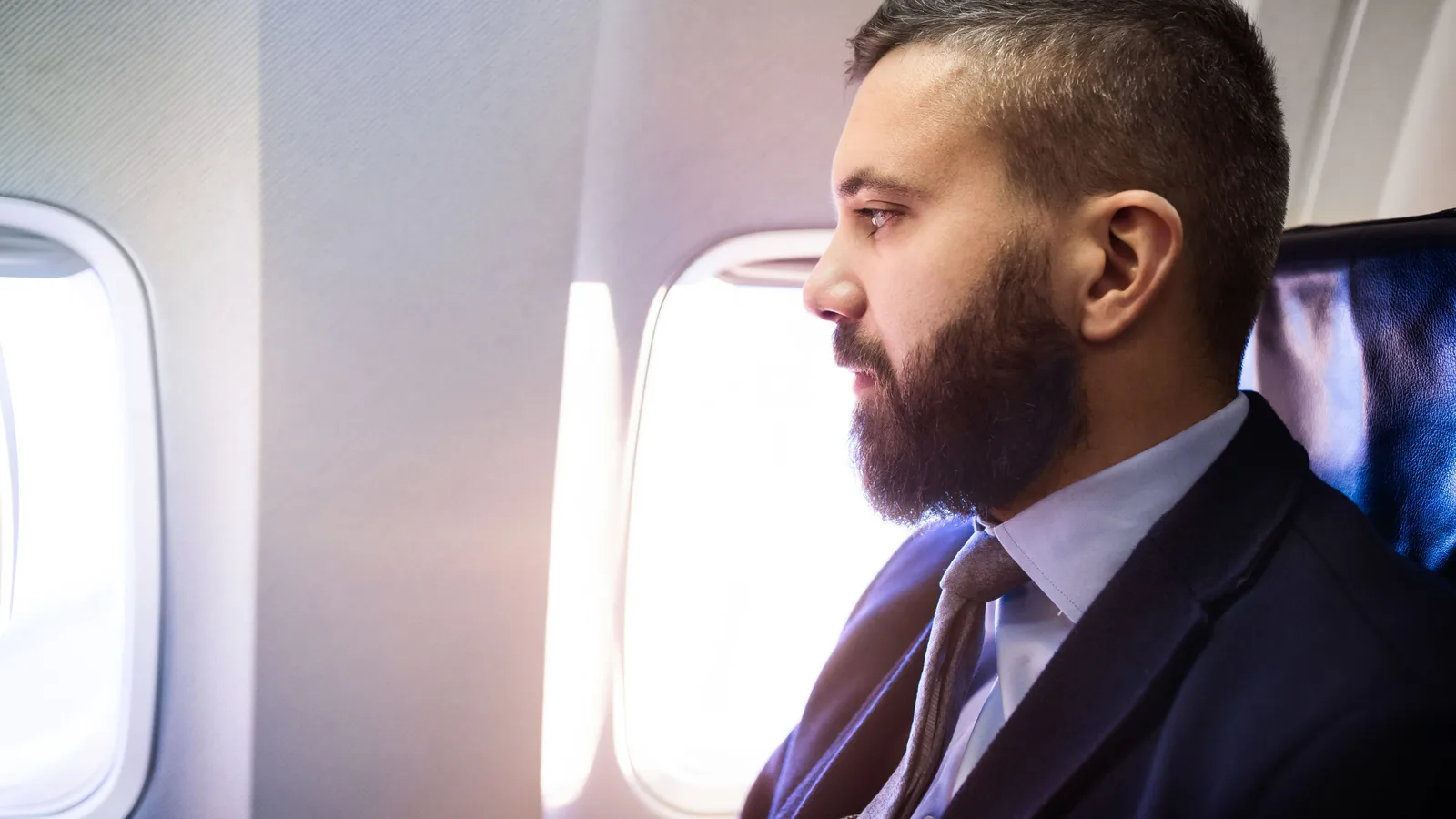
Trtl Travel Pillow Review: Smart Support for Upright Sleepers
Our Trtl travel pillow review covers how the scarf-style neck support works, where it helps, where it falls short, and who should buy it.
Trtl Travel Pillow Review: The Short Version
Most travel pillows are horseshoes. You wedge one behind your neck, your head still droops forward or flops to the side, and you wake up with a stiff shoulder and a dent in your ear. The Trtl takes a different route entirely: it is closer to a structured scarf, and it works by giving your head something solid to lean against rather than something soft to sink into.
That makes it one of the more divisive pieces of travel gear you can buy. People who get the fit right tend to become quietly devoted to it. People who expect it to behave like a normal neck pillow usually give up on the first flight.
What the Trtl Travel Pillow Actually Is
The Trtl is a soft fabric wrap with a semi-rigid support rib sewn inside one section. You drape the wrap around your neck like a scarf, set the rib so it rests on one shoulder and rises to about jaw height, cross the ends over your chest and fasten them with a hook-and-loop strap.
The rib is the whole idea. Instead of holding your neck in a fixed ring, it gives your head a prop to lean into when your neck muscles let go. Because the support comes from the side rather than from behind, it works in a seat where you cannot recline — which is most economy seats on a daytime flight.
There is no inflation, no memory foam and no bulky shell, so nothing to pump up and nothing to deflate at the gate. It is also worth knowing that Trtl sells more than one version, including a more adjustable adult model and a smaller one aimed at children, so check exactly which one you are ordering.
- Type
- Scarf-style neck support with a semi-rigid internal rib
- How it supports
- You lean your head against the rib, which sits on one shoulder at roughly jaw height
- Fastening
- Hook-and-loop (Velcro) strap crossed over the chest
- Materials
- Soft, fleece-like fabric wrap around a firm internal support
- Inflation or foam
- None — nothing to inflate, nothing to compress
- Care
- The fabric wrap is designed to be washed; follow the care label on your model
- Range
- More than one version, including a more adjustable adult model and a kids' size
- Packed size
- Rolls into a small bundle, far less bulky than a foam collar
Strengths and Weaknesses
What it does well
- Stops your head from rolling sideways, which is the one job a travel pillow actually has to do
- Packs down to a fraction of the space of a memory foam collar
- Soft fabric sits against your cheek instead of a vinyl or foam edge
- The hook-and-loop strap adjusts to a wide range of neck sizes
- Can be washed, which matters more than most people admit after a long-haul flight
Where it falls short
- It supports one side at a time; switching sides means re-positioning the whole wrap
- Getting the rib in the right spot takes practice — the first attempt is often wrong
- Hook-and-loop tape catches long hair and pills fleece hoodies
- It gets warm around the neck in a stuffy cabin
- It does nothing for you if your head drops forward rather than sideways
How It Scores on the Criteria That Matter
- Upright head support
- 4.5/5
The standout strength. Your head leans into a firm rib instead of sinking into foam, so it stays put far better than with a soft collar.
- Deep, full rest
- 3.0/5
It is a napping aid, not a sleep system. One side at a time, and no support if you slump forward.
- Packability
- 4.5/5
Rolls up small enough to live in a daypack or a jacket pocket — a genuine advantage on tight carry-on trips.
- Comfort against skin
- 4.0/5
The fabric is soft and there is no plastic edge digging into your jaw. Warmer than mesh collars, though.
- Adjustability and fit
- 3.5/5
The strap adjusts easily, but the rib's position is fixed relative to the wrap, so fit depends on your neck and shoulder shape.
- Keeping clean
- 4.0/5
Being able to wash the wrap separates it from most foam pillows, which you can only spot-clean.
The scores judge the Trtl against the jobs a travel pillow is asked to do in a seat, not against a bed pillow. The pattern is clear: it is excellent at steadying your head and at traveling light, average at fitting every body, and honest about its limits as a sleep aid. If sideways head-flop is your main problem on flights, the top score is the one that matters. If you want to sleep for six hours straight, no pillow in this category delivers that.
How to Get the Fit Right
-
1. Choose your leaning side
Sit in the seat and let your head fall naturally. Whichever shoulder it drifts toward is the shoulder that should carry the rib.
-
2. Set the height before you fasten anything
The top of the rib should sit near your jaw, not above your ear and not down on your collarbone. Slide the wrap around your neck until it lands there.
-
3. Cross the ends and close the strap
Pull the ends across your chest until the wrap is snug but not tight, then press the hook-and-loop strap closed. You should be able to swallow comfortably and turn your head a little.
-
4. Lean, don't push
Rest the side of your head against the rib and let it take the weight. Actively pressing into it for an hour will leave your neck sore.
-
5. Test it on the sofa first
Wear it through one movie at home before you fly. Ten minutes of practice on the ground beats twenty minutes of fumbling in a darkened cabin.
Comfort, Cleaning, and Cabin Practicalities
Against the skin, the Trtl is a pleasant thing to wear: the wrap is soft, there are no hard edges pressing into your jaw, and it does not squeak or stick to your face the way vinyl collars do. The trade-off is warmth. On a crowded overnight flight the fabric around your neck can feel like one layer too many, and if you run hot you will notice it.
Packing is where it wins outright. It rolls into a bundle small enough to disappear into a tote or a jacket pocket, so you are not the person carrying a giant foam crescent through the terminal. On the return leg it goes back in the same space, which is more than can be said for inflatables that never fold down as flat again.
Cleaning is straightforward in principle: the fabric wrap is designed to be washed, which is a real advantage over foam pillows you can only wipe down. Close the hook-and-loop strap before it goes anywhere near a machine or a laundry bag, or it will grab everything else in the load.
Who Should Buy It — and Who Should Skip It
Buy it if you take long daytime flights and cannot recline. This is the reader the Trtl was designed for. Sitting upright in a window seat with your head propped to one side is exactly the situation where the rib makes the difference between dozing and head-bobbing for five hours.
Buy it if you travel carry-on only. The packed size is the second-best reason to own one. It disappears into a bag in a way no foam collar can.
Buy it if you are squeamish about other people's airplane germs. A washable wrap beats a foam pillow you have been breathing into for three years.
Skip it if you are a restless sleeper. If you shift from side to side through the night, you will spend more time rearranging the wrap than sleeping in it.
Skip it if you have neck problems. This is a support aid, not a medical device. If your neck is already painful or you have a diagnosed condition, talk to a clinician before you rely on any travel pillow.
Skip it if you hate anything around your neck. Some people simply cannot tolerate fabric at the throat, and no amount of good design fixes that.
Buying Advice Before You Order
Check which version you are buying. Trtl sells more than one adult model plus a kids' size, and the listings look similar at a glance. The more adjustable version is the safer bet if you have a long neck or broad shoulders, because fit is the one thing that decides whether the pillow works for you.
Buy from a retailer with a straightforward return policy. This is a product you either get on with or you don't, and a single uncomfortable flight is not enough evidence either way.
One pillow is enough. It is a solo item, not something you need in two sizes, and the fabric does not wear out quickly with normal use.
If you are buying for a child, go for the smaller version rather than cinching an adult wrap tight — the rib needs to land at the right height to do anything at all.
Frequently Asked Questions
Is the Trtl better than a standard U-shaped neck pillow?
For upright seats, usually yes — a horseshoe lets your head roll to the side, while the Trtl gives your head a firm surface to lean against. For lying flat or lounging back, a conventional pillow is more comfortable.
Can you sleep on your side with a Trtl pillow?
Partly. It supports whichever side you lean toward, so you can rest on one side comfortably, but you cannot roll over without taking it off and re-positioning it.
How do you clean a Trtl travel pillow?
The fabric wrap is designed to be washed rather than spot-cleaned. Fasten the hook-and-loop strap first so it does not snag other laundry, and follow the care label on your specific model for temperature and drying.
Does the Trtl pillow work for children?
Trtl makes a smaller version sized for children's necks. An adult wrap tightened down on a child will put the support rib in the wrong place, so it is worth buying the right size.
Will it fit in a personal item or a daypack?
Yes. Rolled up it takes about as much room as a pair of socks, which is why it suits travelers who fly carry-on only.
Related articles
 Allbirds Tree Runners Review: Light, Breathable Everyday SneakersGear Notes
 Away Carry-On Review: Polished, Practical, a Bit PriceyGear Notes
 Briggs & Riley Baseline Review: Calm, Capable Softside LuggageGear Notes
 Cotopaxi Allpa 35L Review: Clever Carry-On, Real Trade-OffsGear Notes
 Monos Carry-On Review: A Cabin Bag Worth the Hype?Gear Notes
 Nomatic Travel Pack Review: Clever One-Bag Design, Real LimitsGear Notes
 Osprey Farpoint 40 Review: A Carry-On Travel Pack That WorksGear Notes
 Peak Design Packing Cubes Review: Clever, Costly, CapableGear Notes