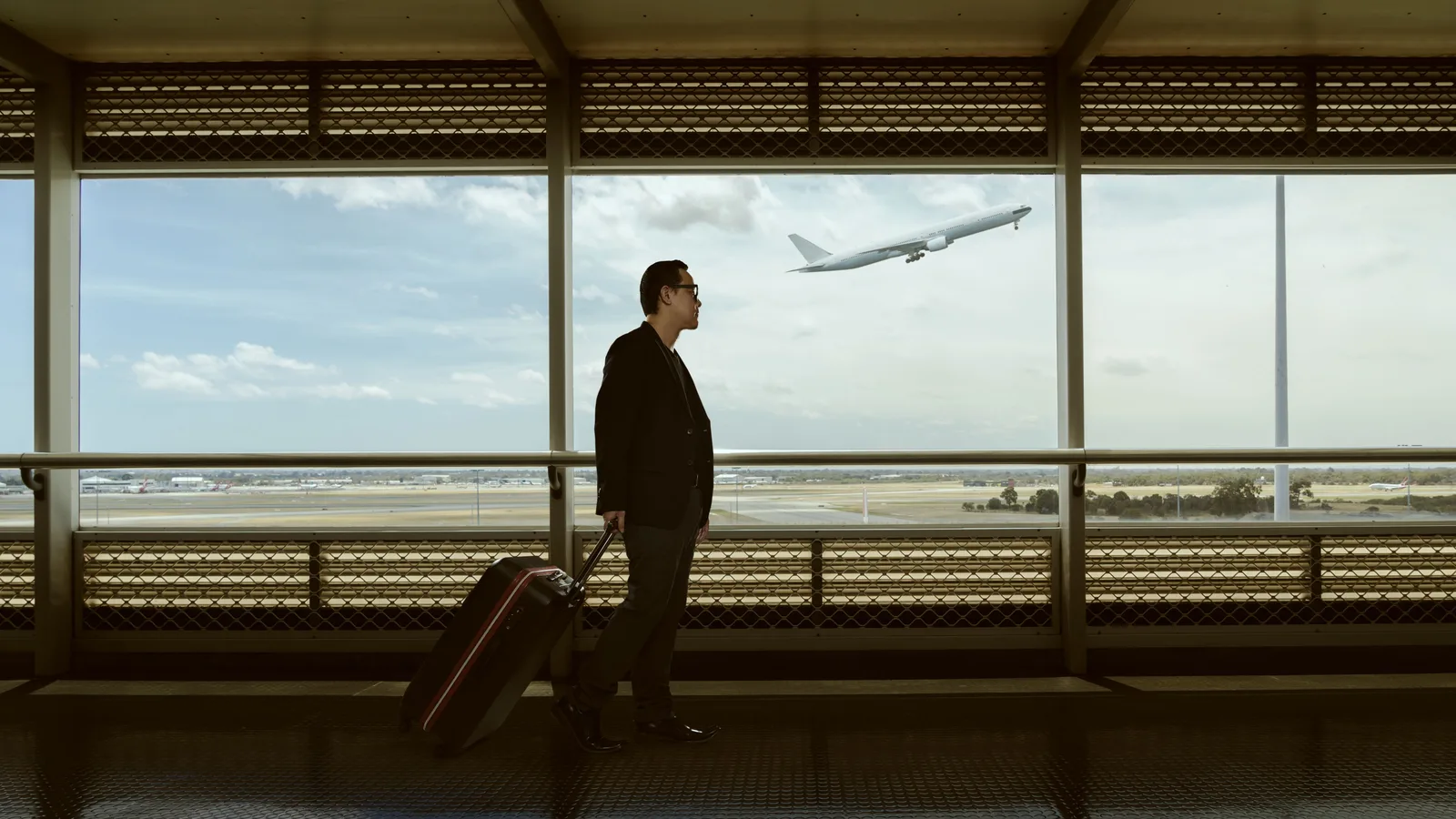
How to Avoid Jet Lag: A Step-by-Step Plan
Shift your body clock before you fly, time your light and sleep on the plane, and get arrival day right so jet lag is shorter and milder.
The Short Answer
Jet lag happens when your internal clock is still running on home time while everything around you has already moved on. You can't flip a body clock on command, so the goal isn't to prevent jet lag completely — it's to shorten it and take the edge off.
Four things do most of the work: light, by far the strongest signal your body clock reads; when you sleep; when you eat and drink caffeine; and what you do on arrival day, which matters more than any pill or supplement.
Plan on roughly one day of adjustment per time zone crossed. A five-hour shift typically means three or four rough days, not two weeks, and the first night is usually the worst of it.
Before You Start: What to Have Sorted
A few minutes of preparation before you book or pack makes the whole plan easier to follow:
- The exact gap and its direction. Write down the hours between home and destination, and which way you're traveling. Five hours east is a very different job from five hours west.
- Your anchor times at the destination. Decide now what a normal bedtime and wake-up time will look like there, roughly 10–11 p.m. and 6–7 a.m. for most people.
- What you actually have to do in the first 24 hours. Driving, a presentation, or wrangling small children changes how aggressive you should be with the plan.
- Anything medical. If you take regular medication, use sleep aids, or are thinking about melatonin for yourself or a child, check with a pharmacist or clinician before you travel.
- A small kit for the flight. Eye mask, earplugs, a layer you can take off, and water. These are the tools that decide whether you sleep on the plane.
The Plan, Step by Step
-
1. Count the shift and note the direction
Use a time-zone converter and write the gap down. Eastbound asks your clock to run early; westbound asks it to run late. Most people find eastbound harder, so give it more preparation, not less.
-
2. Start shifting three to four days out
Move bedtime and wake time by 30 to 60 minutes a day toward destination time — earlier for eastbound, later for westbound. Keep it moderate: a huge jump two days before you fly just leaves you short on sleep going into a long flight.
-
3. Book a landing time you can use
Aim to arrive with several hours of daylight left and a normal bedtime ahead of you. If you land in the morning, treat daylight as the whole point of the day: get outside, stay awake, and hold any nap until early afternoon.
-
4. Switch to destination time at takeoff
Set your watch and phone the moment you board and start living by that clock. Eat when it's a mealtime there, sleep when it's night there. The cabin service schedule is a suggestion, not a rule.
-
5. Sleep the right part of the flight
On a long overnight flight, aim for one solid block in the second half rather than dozing on and off for ten hours. On a daytime flight, a short nap is fine, but stay mostly awake so you're genuinely tired at a normal local bedtime.
-
6. Use light on purpose
Light is the lever: morning light pulls your clock earlier, evening light pushes it later. Decide which one you need, get it in the first 24 hours on the ground, and keep it up for three days.
-
7. Run arrival day on local time
Eat at local mealtimes even when you're not hungry, get outdoors in daylight, walk, and go to bed at a sensible local hour. One bad night is worth pushing through.
-
8. Protect the first three nights
Dark room, eye mask, and a consistent wake-up time. If you're trying to move earlier, keep the evenings dim and skip bright screens late. The first three nights do most of the adjusting.
Light Is the Strongest Lever You Have
Your body clock takes its main cue from light hitting your eyes. That makes light timing the single most useful thing you can control, and it's free.
Going east, you want to be ahead of local time: get bright outdoor light soon after waking, and keep evenings dim. Going west, you want to be behind: seek light in the late afternoon and evening, and protect yourself from bright early-morning sun if you're waking at 4 a.m. ready for the day.
Getting this backwards is easy and it's the most common reason a careful plan doesn't work. Sitting in a brightly lit hotel bar until midnight is the wrong move after an eastbound flight.
- Eastbound, morning
- Get outside within an hour of waking, ideally for 30 minutes or more.
- Eastbound, evening
- Dim the room, wear sunglasses if you're out, and skip bright screens late.
- Westbound, late afternoon
- Seek bright light from roughly 4 p.m. onward to push your clock later.
- Westbound, early morning
- Sunglasses and a dim room — bright 5 a.m. daylight works against you.
- Outdoor beats indoor
- Ordinary overcast daylight is far brighter than a lit room, so step outside.
Eastbound or Westbound? They Are Different Jobs
| What to plan | Eastbound | Westbound |
|---|---|---|
| What your clock has to do | Run earlier (advance) | Run later (delay) |
| How it usually feels | Harder for most people | Easier for most people |
| Light you want | Morning light; avoid bright evenings | Late-afternoon and evening light; avoid early morning |
| Bedtime on arrival | Slightly earlier than usual | On the late side of normal |
| Typical adjustment | About one day per time zone | About one day per time zone, often a little less |
Sleeping on the Plane
In-flight sleep is only useful if it lands in the right place on the clock. A three-hour hop needs no strategy. A ten-hour flight arriving in the morning is different: you want a decent block of sleep so you can stay awake through the whole arrival day.
A practical approach is to eat the first meal, then settle in for six or seven hours with an eye mask and earplugs, and set an alarm for about 90 minutes before landing so you wake up, drink water, and arrive feeling like it's morning. If you're landing in the evening instead, keep any sleep short and treat the flight as a long day.
Don't chase sleep you don't need. Lying awake with your eyes shut for eight hours is less restful than a two-hour nap plus a film, and it leaves you frustrated before the hardest part of the trip.
Food, Caffeine and Alcohol
These three are smaller levers than light, but they're the ones people get wrong most often.
- Caffeine genuinely helps you push through an arrival day, but it has a long tail. Cut yourself off roughly six to eight hours before your target bedtime, in local time. An afternoon coffee to survive the slump can cost you the night.
- Alcohol is sedation, not sleep. It fragments the second half of the night and leaves you drier and more tired. Skip it on the flight and on the first night if you can.
- Water matters in dry cabin air, but drink steadily rather than in huge amounts at once, so you're not up and down all night in an unfamiliar room.
- Meal times are a secondary clock cue. Eating at local breakfast, lunch and dinner times — even lightly — reinforces the light signal. There's no need to fast or follow a complicated schedule; skipping meals entirely usually just makes you feel worse.
Your First Two Days on the Ground
Arrival day decides how the rest of the trip goes.
- Get outside in daylight. Morning light if you came east, late-afternoon light if you came west.
- Move your body. Walking and light exercise help you stay awake and sleep better; save hard workouts for earlier in the day.
- Nap in a controlled way. If you must, keep it to 20–30 minutes and finish before about 3 p.m.
- Don't go to bed absurdly early. A 7 p.m. bedtime after a red-eye means waking at 2 a.m. and staring at the ceiling. Aim for 9–11 p.m. local and accept that you'll be tired.
- If you wake at 3 a.m., stay in bed and keep the room dark if you're calm. If you're wide awake and frustrated, get up, use dim light, avoid your phone, and go back when you feel sleepy.
Children usually adjust faster than adults but get overtired quickly, so keep their meals, naps and bedtime on local time from the first day rather than letting them crash.
What Usually Goes Wrong — and the Fix
- An early first bedtime. Crashing at 7 p.m. feels like the right call and guarantees a 2 a.m. wake-up. Fix: stay up to at least 9 p.m. local, even if it means walking laps around the block.
- A long arrival-day nap. A three-hour nap takes all the pressure off your bedtime. Fix: 20–30 minutes, early afternoon, alarm set.
- Getting the light backwards. Bright evenings after an eastbound flight push your clock the wrong way. Fix: dim evenings eastbound, bright evenings westbound.
- Using alcohol to force sleep. It works for an hour and backfires by 3 a.m. Fix: water and a dark room instead.
- Scheduling something important on arrival day. Your decision-making is genuinely poorer when you're sleep-deprived. Fix: keep day one light and move anything demanding to day two or three.
- Ignoring the return trip. The same rules apply in reverse when you fly home, and most people give themselves no time at all. Fix: book a quiet day after you land and repeat the light plan in the other direction.
Safety: What Not to Do
Melatonin is a hormone that signals darkness to your body, not a knock-out pill, and it's sold as a supplement in the US, which means contents and quality vary between products. Ask a pharmacist or clinician before using it — particularly if you take other medication, are pregnant, or are considering giving it to a child.
If you have a sleep disorder such as insomnia or sleep apnea, or a medical condition affected by sleep loss, plan the trip with your clinician rather than improvising. And if you're still exhausted, low, or sleeping badly two weeks after you land, that's beyond ordinary jet lag and worth a conversation with a doctor.
Frequently Asked Questions
Is jet lag worse flying east or west?
East is usually harder. Your body clock naturally runs slightly longer than 24 hours, so delaying it is easier than advancing it. Eastbound trips also tend to come with a short night, which compounds the effect.
How long does jet lag usually last?
A rough rule is one day per time zone crossed. With good light timing and meals on local time, most people feel largely normal by day three or four after a five- or six-hour shift.
Should I nap on arrival day?
Short and early is fine. Keep it to about 20–30 minutes and finish before mid-afternoon. Long or late naps reduce your sleep pressure and make bedtime harder.
Does a stopover help?
For very long trips across eight or more time zones, a night or two en route lets you shift in stages and arrive less wrecked. It costs time, so for shorter trips it's rarely worth it.
Does melatonin work for jet lag?
It's a timing signal rather than a sedative, and when you take it matters more than how much. Evidence is mixed and supplement quality varies, so check with a pharmacist or clinician before adding it.
Related articles
 How to Choose a Travel Backpack That Actually FitsTrip Guides
 How to Choose Travel Insurance: A Step-by-Step GuideTrip Guides
 How to Find Cheap Flights: A Step-by-Step GuideTrip Guides
 How to Fold a Suit for Travel So It Arrives Flat and SharpTrip Guides
 How to Pack a Carry-On for a Week: Step-by-StepTrip Guides
 How to Pack for a Ski Trip Without OverpackingTrip Guides
 How to Pack Light for a Trip: A Step-by-Step GuideTrip Guides
 How to Pack Toiletries for a Flight: Carry-On GuideTrip Guides