How to Pack a Carry-On for a Week: Step-by-Step
Packing a week into a carry-on is about laundry, layers, and limits. Follow these steps to choose a bag, build a capsule wardrobe, and pass security.
The short answer
Packing a week into a carry-on is not about folding tighter. It is about packing fewer, more useful things and planning one laundry session. For most trips, a five-day capsule wardrobe plus a midweek wash covers seven days without paying for checked luggage or wrestling a heavy bag through the airport.
The short version:
- Measure your bag against your airline's limit, including wheels and handle.
- Build a capsule in two colors: about five tops, two bottoms, two layers, and two pairs of shoes.
- Wear your bulkiest shoes and outer layer on travel day.
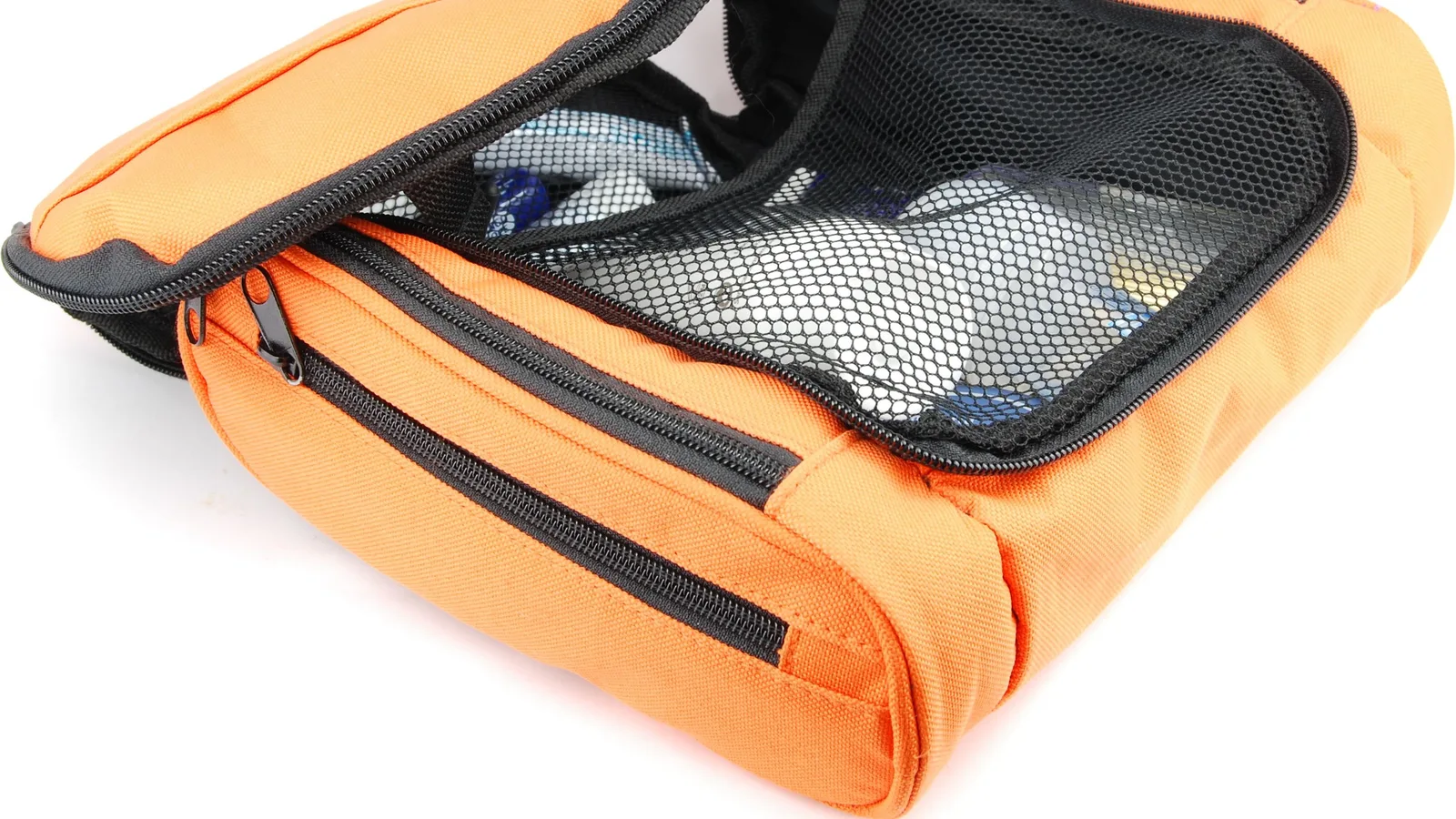
- Keep liquids in one clear quart bag, with containers of 3.4 ounces or less.
- Put documents, medication, chargers, and one change of clothes in the personal item.
- Typical US carry-on size
- Many major airlines publish limits around 22 x 14 x 9 inches, but the allowance varies by airline and fare. Measure your bag and check your ticket.
- TSA liquids rule
- Containers of 3.4 ounces (100 ml) or less in one clear quart-sized bag, one bag per passenger.
- Laundry plan
- One wash on day three or four is usually enough for a seven-day trip.
- Wardrobe core
- About 5 tops, 2 bottoms, 2 layers, 2 pairs of shoes, and 5–7 pairs of underwear and socks.
- Personal item
- Documents, medication, electronics, chargers, and one change of clothes.
Before you start: check the rules and gather your gear
Ten minutes of checking saves a repack at the gate. Before you pull clothes out of the closet:
- Look up the carry-on size and weight limit for every airline on your itinerary. Low-cost carriers often enforce limits more strictly than legacy airlines.
- Read the forecast for each stop, not just the first city. A light layer handles a cool morning better than a separate outfit.
- Note any day that needs a specific outfit: a hike, a business meeting, a nice dinner, a pool, or a religious site.
- Find out whether your lodging has laundry. A sink and a travel clothesline can replace a machine for quick-dry items.
- Put a luggage scale near the bag. A carry-on can be the right size and still be over the weight limit.
- Write a list by category rather than by outfit: tops, bottoms, layers, shoes, sleepwear, underwear, toiletries, electronics, documents.
Packing steps in order
-
1. Confirm the airline's carry-on and personal-item limits
Check the size and weight limit for each airline on your ticket, plus what counts as a personal item. Measure your bag at its widest point, including wheels and the handle. If it is close to the limit, assume it will be measured and plan accordingly.
-
2. Lay out a five-day capsule, not seven days of outfits
Pick two base colors so every top works with every bottom. Pull about 5 tops, 2 bottoms, 2 layers, 2 pairs of shoes, 5–7 pairs of underwear and socks, sleepwear, and one dressier item if your plans call for it. Try each combination on before anything goes in the bag.
-
3. Cut the 'just in case' pile
Remove duplicates, anything you have not worn in the past year, and shoes that match only one outfit. If you cannot name the day you will wear an item, leave it at home. Pack for the trip you booked, not for every possible weather event.
-
4. Choose rolling or folding by fabric, not by habit
Roll knits, T-shirts, underwear, and other soft items to save space and reduce creases. Fold structured shirts, trousers, and dresses, or use the bundle method around a packing cube. Compression bags help with bulky items, but they add weight and can crush collars, so use them selectively.
-
5. Put shoes and heavy items at the wheel end
Place shoes heel-to-toe at the bottom of the bag near the wheels. Stuff socks, a belt, or chargers inside the shoes. Keep heavy items low and close to the wheels so the bag stands upright and does not dig into your shoulder.
-
6. Fill the gaps and close the bag without forcing it
Use the spaces between cubes for underwear, socks, and a folded tote. Do not sit on the zipper. If the bag will not close easily, remove one layer or one pair of shoes. Leave a little room for souvenirs or dirty laundry.
-
7. Keep the liquids bag at the top
Put liquids, gels, and aerosols in containers of 3.4 ounces (100 ml) or less inside one clear quart-sized bag. Press out the air, seal it, and place it at the top of the carry-on or in an outside pocket. You will need to take it out at security, and full-size bottles will be confiscated.
-
8. Make the personal item a survival kit
Pack your ID, wallet, phone, medication, chargers, a pen, and one change of clothes in the personal item. If your carry-on is gate-checked, you can still get through the first day without borrowing clothes or buying a charger.
-
9. Test the weight and the carry
Walk around the block with the packed bag, lift it overhead, and weigh it. Repack anything that pokes into your back or makes the bag top-heavy. Take a photo of the layout so you can repeat it on the return trip.
A capsule wardrobe formula for seven days
The exact numbers depend on your climate and laundry access, but this formula works for a mild-weather city trip. Adjust the fabrics, not the structure. Two colors plus one accent is easier to manage than a bag full of statement pieces. If you need a dressier outfit, pack one item that can dress up both bottoms, such as a clean button-down or a simple dress, rather than a second wardrobe.
| Category | Pack | Leave |
|---|---|---|
| Tops | 5 quick-dry or wool-blend tops that match both bottoms | A different top for every day |
| Bottoms | 2 pairs: one casual, one smarter, both dark enough to hide stains | Three pairs of jeans |
| Shoes | 2 pairs: one broken-in walking shoe and one flat or sandal | Heels you cannot walk in |
| Layers | 1 light sweater or hoodie and 1 packable rain shell | A bulky coat for a maybe-cold night |
| Toiletries | Decanted versions of your daily routine in small bottles | Full-size shampoo and conditioner |
| Extras | One scarf, one belt, and a swimsuit only if you will swim | Costume jewelry and 'maybe' items |
| Laundry | A small laundry line and detergent sheets | A full week of clean clothes |
| Documents | Passport or ID, booking confirmations, and a backup card | Paper copies of every reservation |
Pack the bag so you can live out of it
Packing cubes are not magic, but they turn a suitcase into drawers. Group by category, not by day: one cube for tops, one for bottoms and underwear, one for electronics and chargers. Put the cube you need least at the bottom and the one you will open first at the top or in the lid.
Why cubes help
- Keep categories together so you do not unpack the whole bag
- Compress soft items and create flat, stackable layers
- Make security and hotel unpacking faster
- Contain spills and dirty laundry
Where they get in the way
- They add weight and take up space in an oddly shaped bag
- Rigid cubes can leave gaps that loose clothes would fill
- They make overpacking easier because everything looks tidy
Liquids, batteries, and rules you cannot bend
Security rules are not packing preferences. In the US, TSA limits liquids, gels, and aerosols to 3.4 ounces (100 ml) per container, all inside one clear quart-sized bag, one bag per passenger. Medically necessary liquids are handled separately; tell the screening officer before your bag goes through. Prescription medication belongs in your carry-on, ideally in its labeled container. Spare lithium batteries and power banks are not allowed in checked bags; keep them in the cabin with the terminals protected. Sharp items, tools, and some sporting equipment are restricted, so check the current rules before you pack. On international trips, the rules at a connection can be stricter than at your departure airport.
Common mistakes and how to fix them
Most carry-on failures are predictable. Fix these before you leave:
- Packing for seven full days. Pack for five and plan one wash. A midweek load is faster than hauling a heavy bag.
- Trusting the bag's label. Measure it yourself, including wheels and handle. Airline sizers are unforgiving.
- Rolling everything. Knits roll well; structured shirts and dresses crease. Fold those or use the bundle method.
- Burying the liquids. Security will ask you to dig them out. Keep the quart bag at the top.
- Packing shoes loose. Dirty soles touch clean clothes. Bag them or put them heel-to-toe at the bottom.
- Skipping the personal item. A gate-checked carry-on leaves you with nothing if all your essentials are inside it.
- Over-compressing. If the zipper is strained, the bag is too full. Remove one layer, not one essential.
- Forgetting weight. A bag can fit the sizer and still be over the airline's weight limit. Weigh it at home.
Midweek reset: make the second half easier
Day three or four is the natural reset point. Wash quick-dry tops, underwear, and socks in the sink with a little detergent, roll them in a towel to remove water, and hang them overnight. Use a travel clothesline in the bathroom or drape items over a chair near a window. If your lodging has a machine, do one small load and dry only what needs it. Repack the clean clothes into the same cubes and put dirty items in a separate bag. The second half of the trip then feels like a fresh bag, not a shrinking pile of worn clothes.
Frequently asked questions
Can I pack for a week in a carry-on without doing laundry?
Yes, if you rewear outer layers and choose quick-dry fabrics, but it usually means fewer outfit changes and more hand washing. For most trips, one midweek load is faster and more comfortable than packing seven days of clothes.
Does a backpack count as a personal item?
It depends on the airline's size limit. A small backpack that fits under the seat is usually allowed as a personal item, but a large hiking pack may be treated as a carry-on. Measure it and check the allowance before you fly.
Can I bring a razor or tweezers in my carry-on?
Disposable razors and tweezers are generally allowed in carry-on bags in the US. Straight razors and loose razor blades are generally not. The final decision rests with the security officer, so check the current rules if you are unsure.
How do I keep clothes from wrinkling in a carry-on?
Roll knits, fold structured garments, and avoid overstuffing the bag. Hanging clothes in the bathroom while you shower can release light creases. Compression bags save space but can sharpen fold lines, so use them for bulky items rather than dress shirts.
What should I do if my carry-on is too big at the gate?
You may be charged a gate-check fee or asked to check the bag. To avoid it, measure the bag before you leave and compare it with your airline's published limit. If you are close, wear your bulkiest items and move essentials to the personal item before you fly.
Related articles
 How to Avoid Jet Lag: A Step-by-Step PlanTrip Guides
 How to Choose a Travel Backpack That Actually FitsTrip Guides
 How to Choose Travel Insurance: A Step-by-Step GuideTrip Guides
 How to Find Cheap Flights: A Step-by-Step GuideTrip Guides
 How to Fold a Suit for Travel So It Arrives Flat and SharpTrip Guides
 How to Pack for a Ski Trip Without OverpackingTrip Guides
 How to Pack Light for a Trip: A Step-by-Step GuideTrip Guides
 How to Pack Toiletries for a Flight: Carry-On GuideTrip Guides