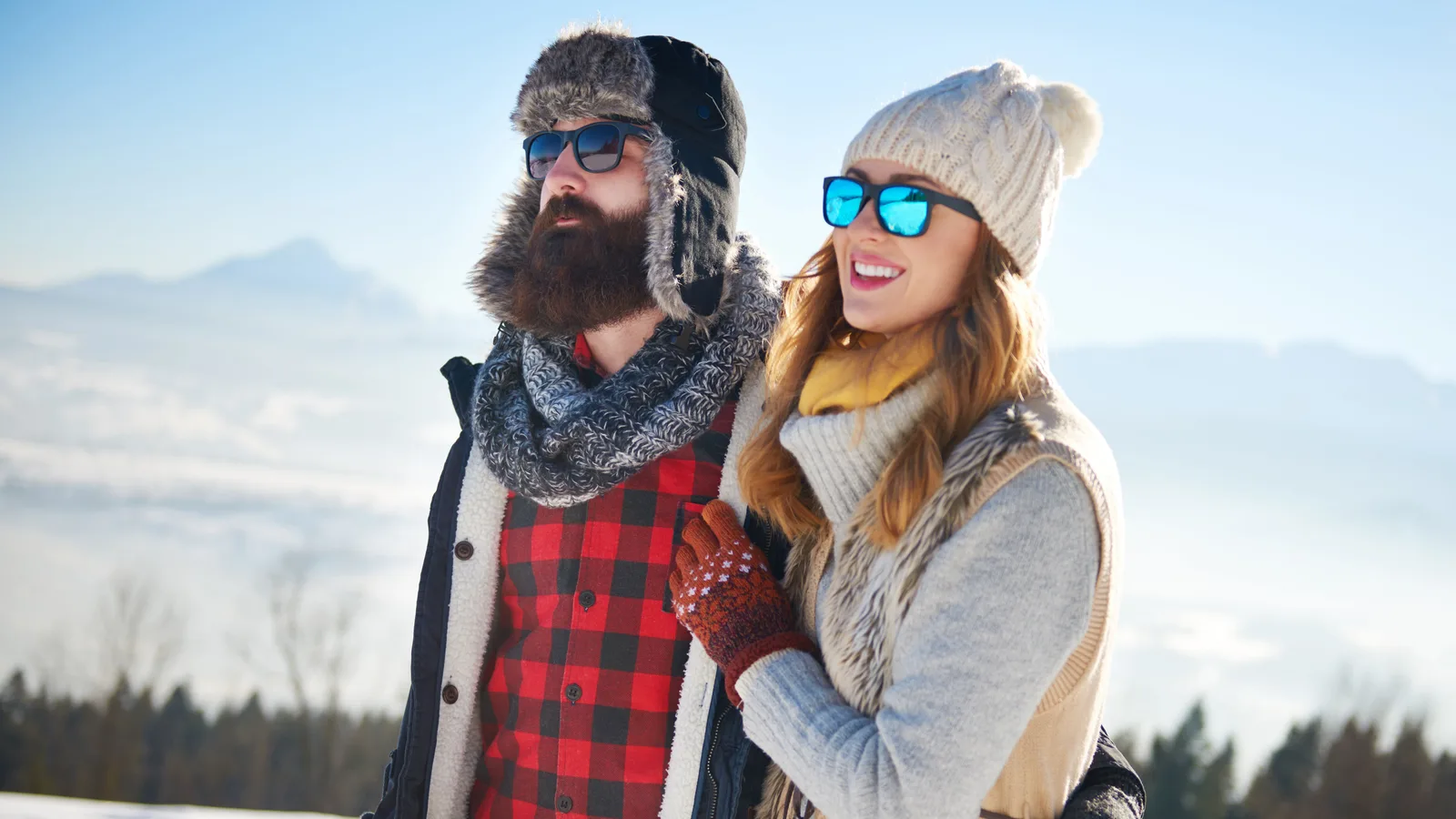
How to Pack for a Ski Trip Without Overpacking
A practical ski trip packing guide: layer system, ski gear, carry-on essentials, airline bag rules, and fixes for common cold-weather mistakes.
The Short Answer: Pack Layers, Ski Gear, and a Carry-On Kit
The short answer: pack a thin base layer, an insulating mid layer, and a waterproof outer layer for every ski day, then add ski-specific gear, one versatile apres-ski outfit, and a carry-on kit with your medications, goggles, and one change of clothes. Keep ski boots and a helmet with you if airline rules and bag sizes allow, because losing them can end your first day on the mountain. Build the bag around the slopes first, then add travel clothes.
Before You Start: Know the Trip and the Bag Rules
Do this before you open a suitcase. The answers decide what you pack and what you rent.
- Airline bag rules
- Confirm the size, weight, and piece limits for ski and boot bags. Rules differ by airline and fare, so check the current policy for your booking.
- Weather and elevation
- Check the forecast for the base area and the summit. Wind, wet snow, and colder temperatures at altitude change what you need.
- Rental plan
- Decide whether you will rent skis, boots, a helmet, or all three. Renting boots means you only need thin ski socks, not a second pair of boots.
- Laundry access
- Ask whether your lodging has a washer and dryer. If it does, you can pack fewer base layers and socks and wash them mid-trip.
Build Your Ski Clothing System
Ski clothing works as a system, not as one thick jacket. A thin base layer moves sweat away from your skin, a mid layer traps warmth, and an outer shell blocks wind and wet snow. You can add or remove the mid layer as the weather changes. Pack clothing that can mix and match rather than separate outfits for every day.
- Base layers
- Synthetic or wool top and bottom, one set per ski day plus one spare. Avoid cotton next to skin.
- Mid layers
- One or two fleece or lightweight insulated layers. Choose one that fits under your shell without restricting movement.
- Outerwear
- One waterproof and breathable ski jacket and one pair of ski pants. These can be worn more than once.
- Ski socks
- Thin, seamless ski socks, one pair per ski day plus one spare. Do not layer two pairs.
- Hands and head
- Waterproof gloves or mittens, liner gloves, a warm hat, a neck gaiter, and ski goggles.
- Apres-ski clothes
- One or two comfortable outfits for the lodge or town, plus shoes with good traction on snow.
- Sleep and travel clothes
- Lightweight clothes for the trip and for sleeping, especially if you are sharing a room.
Step-by-Step Packing Order
-
1. Lay out clothing by ski day
Build each day around layers, not a single thick item. Set out one base layer, one mid layer, one pair of ski socks, and glove liners for each ski day. Reuse the same outer jacket, ski pants, helmet, and goggles.
-
2. Pack ski boots and helmet first
Ski boots are heavy and awkward, so put them in first or in a separate boot bag. If you are flying and your airline allows it, keep boots and helmet in the cabin; otherwise pad the helmet well and put nothing heavy on top of it.
-
3. Roll base layers and socks
Roll base layers, socks, and underwear into compact bundles or packing cubes. Squeeze out extra air. Keep one full change of base layers and socks in your carry-on in case your checked bag is delayed.
-
4. Fold outerwear loosely
Do not compress a ski jacket and pants for days at a time. Fold them loosely, and empty the pockets before you pack so you do not send a lift pass, keys, or small tools through security by mistake.
-
5. Protect goggles and gloves
Put goggles in a hard case or wrap them in a soft cloth. Keep them away from boot edges and other hard items. Put gloves and mittens on top where you can reach them, and pack a dry spare pair if you have one.
-
6. Add apres-ski and travel clothes
Pack one or two versatile evening outfits, one pair of shoes with traction, and clothes for the journey home. Keep the bulkiest shoes on your feet during travel if that saves bag space.
-
7. Pack toiletries and medications
Put liquids in leakproof containers and a clear bag. Keep prescription medications in your carry-on in their original packaging. Add sunscreen, lip balm, moisturizer, and any personal items you cannot easily replace.
-
8. Weigh, close, and check
Weigh both bags before you leave. Move heavy small items to the carry-on if the airline allows it. Check that your name and phone number are on the bag, and keep travel documents, goggles, and medications with you.
What to Carry On and What to Check
Airline rules vary, so treat this as a starting point and confirm the current policy for your airline. The goal is to keep the items that would ruin the first day, or are hard to replace, in the cabin with you.
| Item | Carry-on | Checked bag |
|---|---|---|
| Ski boots | Best if within the size and weight limit; keeps them from being lost | Fine, but heavy and hard to replace on short notice |
| Helmet | Good if it fits and the airline allows it | Bulky; pack it so the shell cannot be crushed |
| Goggles | Yes; protects lenses and keeps them accessible | Risky if the bag is delayed or something heavy presses on them |
| Medications | Yes, in original packaging | Avoid |
| One base layer and socks | Yes, for a delayed bag or first day | Yes |
| Spare lithium batteries | Generally required in the cabin for spare batteries; confirm with your airline | Usually restricted; do not assume it is allowed |
| Multitool or pocket knife | No | Yes, in checked baggage |
| Ski jacket | Wear it or carry it if it is bulky | Yes |
Common Mistakes and How to Fix Them
These are the packing problems that show up most often on ski trips. Most are easy to fix before you leave home.
| Mistake | Why it causes trouble | Fix |
|---|---|---|
| Packing cotton base layers | Cotton traps sweat and gets cold when you stop moving | Choose wool or synthetic base layers and pack a spare |
| Bringing more than one ski jacket | Bulky and rarely needed; layers do the work | Pack one shell and adjust with mid layers |
| Checking ski boots with no backup plan | A delayed bag can mean no skiing on day one | Carry boots if allowed, or plan to rent for the first day |
| Forgetting sunglasses | Snow and altitude make bright light harsh even when it is cloudy | Pack sunglasses and goggles, not just one |
| Overpacking shoes | Shoes are heavy and take up space | Bring one pair with traction and one casual pair at most |
| Ignoring sun protection | Snow reflects UV light and wind can hide sunburn | Pack sunscreen, lip balm, and a face covering |
| Packing liquids carelessly | Leaks ruin clothes and security delays are avoidable | Use leakproof bottles, a clear bag, and double-bag anything risky |
Safety Details That Are Easy to Miss
Packing is only part of being ready. Have ski or snowboard bindings checked and adjusted by a qualified shop rather than guessing at settings. A helmet should fit snugly and sit level on your head; replace one that has taken a serious impact. Goggles should match the light conditions you expect, and a spare lens or pair of sunglasses helps when weather changes.
Altitude and sun are stronger than many travelers expect. Drink water through the day, use high-SPF sunscreen on exposed skin, and protect your lips. If you are going beyond marked resort terrain, carry avalanche equipment only if you have trained with it and checked the local forecast. A beacon, shovel, and probe help rescuers find you; they do not make a slope safe.
Final Check Before You Zip the Bag
Run through this list at the door, not at the airport:
- Passport or ID, lift pass confirmation, rental confirmation, and travel insurance details if you have them.
- Medications, glasses or contacts, charger, and a power bank in the carry-on if allowed.
- Goggles, one base layer, one pair of socks, and gloves in the carry-on.
- Ski boots and helmet secured so they cannot crush goggles.
- Liquids in a clear bag and spare batteries in the cabin if rules allow.
- A luggage tag inside and outside the bag with your name and phone number.
Ski Trip Packing FAQs
Can I wear ski boots on the plane?
Usually not practical. They are bulky, hot, and may not fit under a seat. If you want them with you, pack them in a carry-on boot bag only if it meets the airline's size and weight rules.
How many pairs of ski socks do I need?
Plan one thin ski sock per ski day, plus one spare. Wash and dry them overnight if you have laundry access. Avoid wearing two pairs at once because that can cause blisters.
Do I need to pack ski goggles in a hard case?
A hard case is ideal, but wrapping them in a soft cloth or a fleece inside a helmet works. Keep goggles in your carry-on so lenses do not get crushed or lost.
What should I wear in the car or on the flight?
Dress in removable layers: a base layer, a mid layer, and a jacket you can take off. Wear comfortable shoes with traction and keep your bulky ski jacket accessible rather than packed at the bottom.
Is a ski trip packing list different for snowboarders?
The layering system is the same. Swap ski-specific items for a snowboard, boots, and a leash if required. Pack snowboard boots the same way and check airline bag rules.
Do I need avalanche gear for a resort ski trip?
Not for normal in-bounds resort skiing. Carry a beacon, shovel, and probe only if you are trained and traveling in avalanche terrain. Gear does not replace a course or local forecast.
Related articles
 How to Avoid Jet Lag: A Step-by-Step PlanTrip Guides
 How to Choose a Travel Backpack That Actually FitsTrip Guides
 How to Choose Travel Insurance: A Step-by-Step GuideTrip Guides
 How to Find Cheap Flights: A Step-by-Step GuideTrip Guides
 How to Fold a Suit for Travel So It Arrives Flat and SharpTrip Guides
 How to Pack a Carry-On for a Week: Step-by-StepTrip Guides
 How to Pack Light for a Trip: A Step-by-Step GuideTrip Guides
 How to Pack Toiletries for a Flight: Carry-On GuideTrip Guides