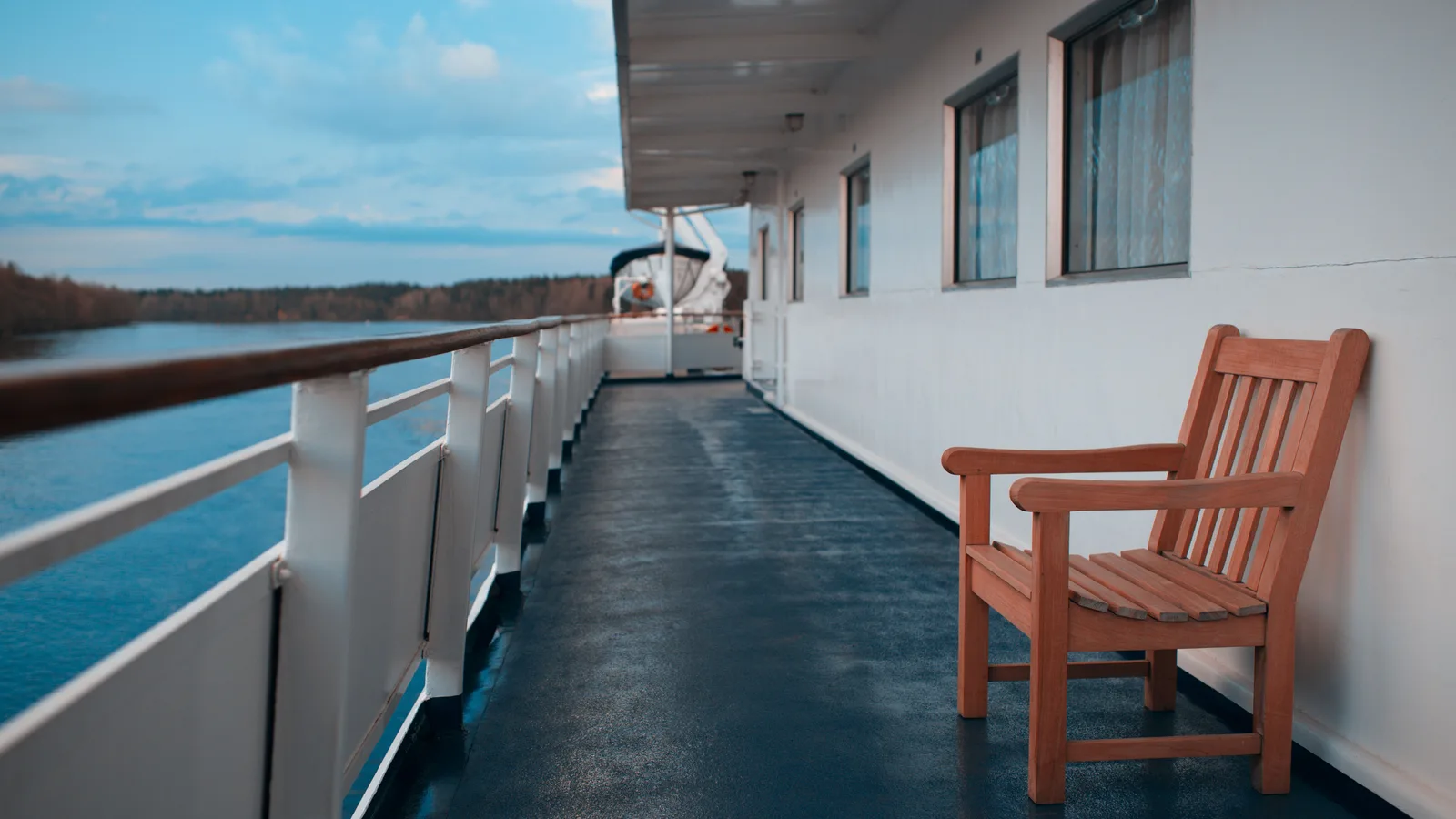
How to Plan a Cruise Vacation: An Order That Works
A practical order for planning a cruise: settle dates and budget, choose the itinerary before the ship, pick a cabin, and avoid first-timer mistakes.
Start with the itinerary, not the ship
Cruise planning goes best in a fixed order: dates and budget → region and itinerary → ship and cabin → booking → travel to the port, documents and port-day plans. Most first-timers start in the middle, fall for a photo of a pool deck, and only later notice the sailing they picked is four sea days and two ports they don't care about.
The route shapes more of your trip than the ship does. The ship is your hotel, restaurant and evening entertainment, but the itinerary is the reason you left home. Choose a route you would still be glad to sail if the weather turned grey for two days, then pick the ship on that route that matches your budget.
The ship still matters more than a hotel does, because you can't step outside when you don't like it. Think about how you actually spend a day: do you want a quiet corner with a book, a water slide and a kids' club, or four restaurants and a theatre? Booking a ship whose strengths match your habits is most of the work.
What to settle before you look at a single sailing
- Total time away
- Count the nights before and after the sailing. A seven-night cruise can mean nine or ten days off once flights and a pre-cruise night are added.
- Budget shape
- Fare and taxes, daily service charges, drinks, specialty dining, wifi, shore excursions, spa, gratuities, transfers and travel to the port.
- Travel party
- Ages, mobility, and whether anyone needs a sofa bed, connecting cabins or a walk-in shower rather than a tub.
- Passport status
- Check validity now. Many countries ask for validity well beyond your return date; six months is a common benchmark.
- Season and weather
- Hurricane season, rainy seasons and school holidays all change both the sailing and the price you'll be quoted.
- Who is booking
- One person as lead booker, with everyone's full legal names spelled exactly as on their travel documents.
Write your answers down before you open a booking site. It takes ten minutes and stops you from being talked into a cabin category or a sailing that doesn't fit the time and money you actually have.
The steps, in order
-
1. Fix your dates and a total budget, not just a cruise fare
Start with the dates you can travel and the total you can spend door to door. Take the fare you see, then add daily service charges, drinks, wifi, at least a couple of shore excursions, and the cost of getting to the port. Compare sailings on that full number, not the headline fare.
-
2. Choose the region and the ports before the ship
Read the day-by-day itinerary, not the brochure summary. Note how many ports are tender ports (where the ship anchors offshore and you go ashore by small boat), how many arrivals are half-days, and whether the big-name port is a short call or a full day.
-
3. Shortlist two or three ships that sail that route
Compare what's included in the fare, the dining setup, evening entertainment, pool and quiet-space capacity for sea days, kids' facilities if relevant, and whether the ship has been refurbished recently. Read recent passenger reviews for the ship, not just the line.
-
4. Pick the cabin by position, not just by category
Look at the deck plan. Check what is above and below the cabin (a galley, a theatre or a pool deck can mean noise), how far it is from lifts, and whether a lifeboat blocks the view from a so-called sea-view or balcony cabin. Midship and low is the steadiest place in rough water.
-
5. Book, then immediately reserve what sells out
The cabin is only the first transaction. Early dining times, specialty restaurants, cabanas, spa appointments and the most popular excursions fill up before sailing. Book those as soon as your booking allows, and note the cancellation deadlines.
-
6. Sort out travel to the port and a night before
Fly in at least a day early for any port that needs a flight; a delayed connection on embarkation morning is the single most common way people miss the ship. Book a hotel near the terminal and confirm transfer or parking arrangements.
-
7. Build a documents folder and buy travel insurance
Passport, visas, any required entry authorizations, booking confirmations, insurance policy and emergency contacts. Keep digital copies and one paper set in your carry-on. Buy insurance when you book rather than the week before you sail, so cancellation cover applies from the start.
-
8. Plan port days with a margin to get back
For each port, decide whether you'll take a ship excursion, a private tour or wander independently. Note the all-aboard time — usually well before the ship actually leaves — and plan to be back at least an hour before it.
Itinerary and cabin choices, compared
Once the route is set, most of the remaining trade-offs come down to ship size and cabin type. Neither has a right answer; they change what your days feel like.
| Choice | What it gives you | What to watch for |
|---|---|---|
| Large resort-style ship | More dining and entertainment options, more space for children and teenagers | Busier terminals, longer lines at peak times, and crowded pool decks on sea days |
| Smaller ship | Faster disembarkation in port, calmer public areas, often more unusual routes | Fewer venues, so a run of sea days can feel repetitive in poor weather |
| Inside cabin | Smallest hit to the budget, and very dark, which suits light sleepers | No view, and tight for three or four people sharing |
| Balcony cabin | Daylight and private outdoor space; good on scenic routes and sea days | Costs considerably more, and is wasted if you're rarely in the room |
| Low, midship cabin | Least movement in rough water; good if anyone is prone to seasickness | Further from top-deck pools, buffet and observation lounges |
Budget lines that surprise first-timers
The fare buys the cabin, the main dining rooms, the buffet, most entertainment and the ship's own facilities. It usually does not buy everything else. Build these into your budget before you compare sailings:
- Daily service charges, added per person per night to your onboard account; many lines let you pre-pay them.
- Drinks, including specialty coffee and soda on many lines. Run the numbers on a drinks package against what you'd realistically drink in a day.
- Specialty restaurants, which carry a cover charge or a flat fee.
- Wifi, usually sold as a package and often priced per device.
- Shore excursions, the largest variable cost on a port-heavy route.
- Onboard extras that add up quietly: photos, spa treatments, casino, bingo, premium ice cream.
- Getting there: flights, a pre-cruise hotel night, port parking, transfers and meals in transit.
Documents, entry rules and insurance
Document rules follow the itinerary, not the country the ship is registered in or where the line is based. Check the requirements for every country you'll visit, including ports where you only step ashore for a few hours.
- Passport validity. Many countries require validity beyond your return date, and some ask for blank pages. Check the rule for each destination.
- Visas and entry authorizations. Some countries require a visa even for a day ashore, and an electronic travel authorization may be needed if you fly through or to a third country. The ship cannot waive these.
- Names must match. The name on the booking needs to match the travel document exactly; a nickname or a missing middle name can cause a denial at the terminal.
- Closed-loop flexibility. Some round-trip sailings from US ports allow US citizens to travel with a government photo ID and proof of citizenship instead of a passport — but that leaves no valid document if you have to fly home early. A passport is the safer choice.
Port days that don't go wrong
The clock in port is the thing people get wrong. Ships publish an all-aboard time that is usually 30 to 60 minutes before departure, and the ship will not wait for independent travelers who are late.
- Ship excursions are the safe option when a port is far from the highlights, when tender boats are involved, or when the language and roads are unfamiliar. If a ship-run tour runs late, the ship waits.
- Independent trips are usually cheaper and less crowded, but you own the risk. Book with operators who guarantee return before all-aboard, and keep the operator's phone number.
- Tender ports take time. Anchoring offshore and ferrying everyone ashore can eat an hour at each end, so don't book a tight private tour on a tender day.
- Ship time versus local time. Some ports are in a different time zone and some ships keep their own time. Set your watch to ship time and treat all-aboard as the deadline that matters.
Pack and prepare for embarkation day
Checked bags are delivered to your cabin later in the afternoon, sometimes not until early evening, so pack a carry-on you could survive the first day with:
- Passport, visas, booking documents and insurance details, on your person rather than in a checked bag.
- Medication in original packaging, plus a few days' spare supply, in the carry-on.
- A swimsuit, a change of clothes, sunscreen and chargers.
- A refillable water bottle and any documents you need for the terminal.
Check the line's prohibited-items list before you pack. Many lines ban irons, kettles and power strips with surge protectors, and most restrict how much alcohol you may bring on board. Liquids in hand luggage are also screened at the terminal.
What commonly goes wrong, and the fix
- You booked a cabin above a noise source. Fix: check the deck plan before booking; if it's already booked, ask about a move or pack earplugs.
- The itinerary is mostly sea days and you're bored. Fix: read the day-by-day before booking next time; on board, use the daily programme to find talks, classes and quiet lounges.
- You missed the ship's excursion because you booked late. Fix: reserve popular tours as soon as your booking opens, and have one independent backup plan per port.
- The onboard bill shocked you. Fix: check your account on the cabin TV every day or two rather than on the last night, and pre-pay service charges where the line allows.
- A delayed flight nearly cost you the sailing. Fix: fly in a day early and stay near the port; it costs one hotel night and removes most of the risk.
- Someone got seasick on day one. Fix: choose a low, midship cabin, and speak to the ship's medical centre or a pharmacist before sailing about options.
Cruise planning questions
Is it better to book a cruise early or wait for a last-minute deal?
Booking early gives you the widest choice of cabin position and dining times, and often a better price on popular dates and school holidays. Waiting can bring savings on sailings that haven't filled, but the cabin and the flights you want may already be gone. If your dates are fixed and your cabin position matters, book early.
Do I need a passport to go on a cruise?
For most international itineraries, yes. Some round-trip sailings from US ports allow US citizens to use a government photo ID plus proof of citizenship, but that leaves you without a valid passport if you have to fly home from a foreign port. Check the rules for every country on your route, not just the embarkation port.
How much should I set aside for gratuities?
Most lines add a fixed service charge per person per night to your onboard account, and the amount varies by line and cabin grade. Check the figure published for your sailing before you budget, then either pre-pay it or plan for it as a fixed daily cost on top of your fare.
Can I book my flights through the cruise line?
Many lines sell air travel alongside the cruise, sometimes with transfers and protection if flights are delayed. It can cost more than booking independently, but it shifts responsibility for getting you to the ship. If you book your own flights, always arrive at least a day before embarkation.
What happens if I'm late back to the ship in port?
If you're on an excursion organised by the ship, the ship normally waits for you. If you're travelling independently, the ship is not obliged to wait, and you would have to reach the next port at your own cost. That's why independent tours should come with a return-before-all-aboard guarantee.
Is a cruise a good option if someone in the group has limited mobility?
Often yes, because you unpack once and the ship handles transport between destinations. Check that the cabin is genuinely accessible, that tender ports can be managed, and that any shore excursion you book can accommodate mobility equipment. Ask the line directly rather than assuming.
Related articles
 How to Avoid Jet Lag: A Step-by-Step PlanTrip Guides
 How to Choose a Travel Backpack That Actually FitsTrip Guides
 How to Choose Travel Insurance: A Step-by-Step GuideTrip Guides
 How to Find Cheap Flights: A Step-by-Step GuideTrip Guides
 How to Fold a Suit for Travel So It Arrives Flat and SharpTrip Guides
 How to Pack a Carry-On for a Week: Step-by-StepTrip Guides
 How to Pack for a Ski Trip Without OverpackingTrip Guides
 How to Pack Light for a Trip: A Step-by-Step GuideTrip Guides