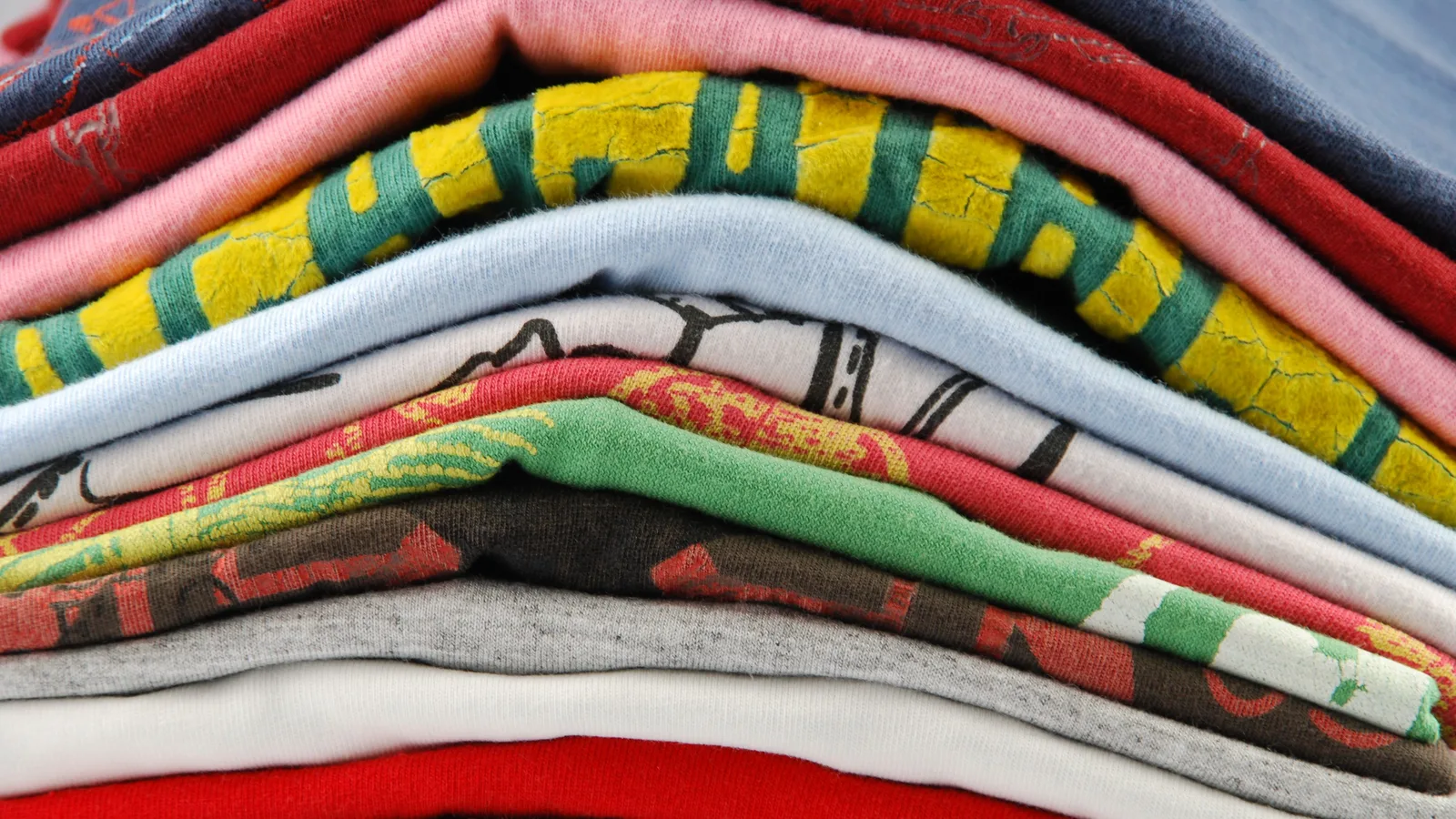
How to Use Packing Cubes: Step-by-Step Packing Guide
Learn how to use packing cubes properly: sort by category, choose the right sizes, roll versus fold, and load your bag so everything stays organized.
The Short Answer
Packing cubes are soft, zippered fabric boxes that keep clothes grouped in separate bundles inside a bag. You use them by sorting your clothes into categories, giving each category its own cube, packing each cube firm and flat, and then stacking the cubes in your suitcase with the heaviest one at the bottom near the wheels.
The goal isn't to cram in more. It's to be able to pull out one bundle, take what you need and put it back without unpacking everything else.
Two things cubes do well, and one thing they don't:
- They turn a loose pile of clothes into stackable blocks, so you stop digging for a clean shirt.
- They contain mess — dirty laundry, damp swimsuits, charging cables — in one place.
- They do not add capacity. If your bag is already over its size or weight limit, cubes only rearrange the problem.
Before You Start: What You Need
You don't need much, but a few minutes of prep saves a repack later. Empty the bag completely, put everything you plan to take on the bed, and have your cubes and a laundry sack within reach.
- Cube sizes
- Small, medium and large sets cover most trips. Measure your bag's interior before buying anything — cubes that don't match the footprint waste space.
- Compression cubes
- Have a second zip that pulls the lid down over a full cube. Best for fleece, towels, bulky knits and anything soft.
- Material
- Lightweight nylon or polyester, often with a mesh top panel so you can see the contents without opening every cube.
- Bag type
- Flat-bottomed suitcases pack most efficiently. Backpacks and duffels need softer cubes that bend to the shape of the compartment.
- Laundry
- One empty cube or a stuff sack kept for dirty clothes, so they never mix back in with clean ones.
- Luggage scale
- Optional but useful. A bag that was fine loose can tip over an airline's cabin weight limit once it's packed tight.
Step by Step: Packing With Cubes
-
1. Empty the bag and sort everything into categories
Tip the bag out and group by type: tops, bottoms, underwear and socks, sleepwear, gym gear, outerwear. Keep items that travel together — a suit, a swim kit, a work outfit — as their own group. Anything you wouldn't actually wear on this trip stays home; cubes make it far too easy to carry clothes you never touch.
-
2. Match cube sizes to categories, not to days
Put bulky, structured items like jeans, sweaters and jackets in the largest cube, tops in a medium, and socks, underwear, chargers and toiletries in the small ones. Fill each cube until it holds its shape but the zip still closes without strain. Leave one small cube or sack empty for laundry.
-
3. Pack each cube with the right folding method
Roll knits, t-shirts, socks and anything soft — rolls fill gaps and crease less. Fold structured items (collared shirts, trousers, blazers) flat to roughly the footprint of the cube and lay them in one stack so creases fall along the folds. Put the longest items at the bottom and plug the gaps at the edges with socks or a rolled belt.
-
4. Close, compress and weigh
Zip the cube shut, pushing escaping fabric back in rather than tugging at the zipper. On a compression cube, close the main zip first, then the second zip that pulls the top panel down. Weigh the finished bag if you have a scale — fixing an overweight bag at home is much easier than at a check-in desk.
-
5. Load the bag: heavy low, light high
Put the heaviest, densest cube at the bottom of the case nearest the wheels, medium cubes in the middle, and soft or light ones on top. Fill the leftover gaps at the hinge and corners with small cubes or rolled items so nothing shifts in transit. In a backpack, the heavy cube goes against your back, high and centered.
-
6. Keep a trip-day cube within reach
Pack one small cube with what you need on the first night or a long layover — a change of clothes, toothbrush, charger — and put it at the top of the bag or in your personal item. Do the same with the empty laundry cube so dirty clothes never end up back in the clean stack.
Roll or Fold? Matching the Method to the Item
| Item | Roll | Fold flat |
|---|---|---|
| T-shirts and soft tops | Tight rolls fill gaps and crease less | File-fold and stand upright in a deep cube |
| Jeans and trousers | Only if soft; thick denim rolls bulky | Fold lengthways, then into the cube footprint |
| Sweaters and knits | Best option — avoids a hard crease across the middle | Fold loosely; a tight fold leaves a mark |
| Collared shirts | Not ideal — the collar flattens | Fold with a plastic bag over the collar to hold its shape |
| Socks and underwear | Roll and stuff into corners and gaps | No folding needed — bundle into a small cube |
| Damp swimwear | Roll and keep in its own pouch | Never fold wet items into a shared cube |
Fitting Cubes Into Different Bags
| Bag | Carry-on suitcase | Travel backpack | Duffel |
|---|---|---|---|
| Best cube shapes | Flat rectangles that match the case footprint | Soft cubes that squash into a curved pack | Long, narrow cubes packed in layers |
| How to arrange | One layer deep, heaviest at the wheel end | Heaviest against your back, centered high | Fill the length first, wedge small cubes at the ends |
| Watch out for | An empty top half — fill it with a soft cube | Compression straps crushing a packed cube | Top-loading access; keep the trip-day cube on top |
What Cubes Do Well — and What They Can't
Strengths
- You can find one item without unpacking the whole bag
- Dirty laundry, damp swimwear and cables stay contained
- Repacking on the last morning takes minutes instead of an hour
- Compression cubes flatten soft, bulky items like fleece and down
Limits
- The cubes themselves add a little weight and bulk
- Rigid cubes waste space in odd-shaped compartments
- Over-compressed clothes wrinkle and stay wrinkled
- A solid-looking cube can hide small items from airport security
What Commonly Goes Wrong — and How to Fix It
- Cubes bought before the bag was measured. If the cubes float around the case, return to flat packing or add small cubes as gap fillers.
- Cubes packed to bursting. The zip takes the strain and the cube bulges into its neighbor's space. Take one item out; the cube should be firm, not round.
- One giant cube for everything. You get all the digging with none of the benefit. Split into at least three categories.
- Clean and dirty mixed together. Use a dedicated laundry cube from day one, not a plastic bag from day four.
- Leftover gaps. A suitcase with cubes and empty corners is no more efficient than a loose pile. Fill the hinge and the gaps with rolled items.
- Down left compressed for weeks. Fine in transit, not for storage — unpack the cube when you get home and let the loft recover.
Getting Through Security Without a Repack
If you're traveling with a checked bag and a carry-on, split categories between them deliberately: medication, a change of clothes and chargers in the cabin bag, the bulk of the wardrobe in the hold. That way one delayed bag doesn't derail the first two days of the trip.
After the Trip: Reset for Next Time
Unzip every cube, empty it and shake it out. Wipe the inside with a damp cloth if anything leaked, then leave the cubes open to air-dry fully before storing — nylon packed away damp smells musty by the next trip.
Store the cubes flat inside the suitcase they belong to, so they travel with the bag rather than getting lost in a closet. Skip the dryer if you ever wash them; heat damages coatings and zipper tape.
Common Questions About Packing Cubes
Do packing cubes actually save space?
Not on their own — they take up a little room themselves. They save space indirectly by letting you pack vertically and by squeezing air out of soft items when you use compression versions. The larger gain is organization: fewer things bought on the road because you couldn't find what you packed.
How many packing cubes do I need for a week-long trip?
Most travelers do fine with three or four: a large cube for bulky items, a medium for tops, a small for socks and underwear, plus a laundry sack. Match the number to your bag's interior rather than to the number of days.
Can I use packing cubes in a backpack?
Yes, and soft-sided cubes work better than rigid ones because they conform to a curved pack. Keep the heaviest cube against your back, centered between the shoulder blades, and put soft items at the bottom.
Are packing cubes better than vacuum bags?
They solve different problems. Vacuum bags flatten bulky bedding and winter layers but are awkward to reopen mid-trip; cubes give you daily access. Many people use one vacuum bag for a single bulky item and cubes for everything else.
Do packing cubes wrinkle clothes?
Usually less than loose packing, as long as you don't over-compress. Roll knits and soft fabrics, fold structured garments flat along their natural crease lines, and skip the compression zip on anything you need crisp.
Related articles
 How to Avoid Jet Lag: A Step-by-Step PlanTrip Guides
 How to Choose a Travel Backpack That Actually FitsTrip Guides
 How to Choose Travel Insurance: A Step-by-Step GuideTrip Guides
 How to Find Cheap Flights: A Step-by-Step GuideTrip Guides
 How to Fold a Suit for Travel So It Arrives Flat and SharpTrip Guides
 How to Pack a Carry-On for a Week: Step-by-StepTrip Guides
 How to Pack for a Ski Trip Without OverpackingTrip Guides
 How to Pack Light for a Trip: A Step-by-Step GuideTrip Guides